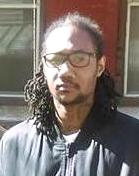
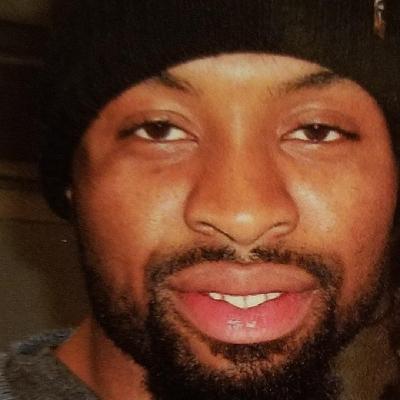
Michael “Dutchie” Avicolli, a 52-year-old White male, vanished from Philadelphia in the spring of 1996, and the few known details have always pointed less toward an ordinary disappearance than toward the violent underworld he was connected to. He was last seen on April 3, 1996, leaving his residence on South 31st Street at about 10:30 in the morning. He was driving a Buick, but he never came home, never contacted family or associates again, and the car was never recovered.
Online missing-person sources continue to classify him as endangered missing, while other sources connected to mob history describe him as having been killed on or around April 4, 1996.
Avicolli was known around South Philadelphia and was reported to have frequented the city’s south side during that period. Sources describe him as a South Philadelphia bookmaker and an associate of the Philadelphia/South New Jersey Mafia, close enough to the orbit of Joseph “Skinny Joey” Merlino that his disappearance became folded into the larger story of the violent Merlino-era Philadelphia mob. At the time, the Philadelphia crime family had recently come through years of factional warfare, retaliatory shootings, informants, and internal suspicion. In that climate, a man with mob ties could disappear without a body, without a car, and without an easy public explanation.
The most repeated account of what happened to Avicolli came from former Philadelphia crime boss Ralph Natale after Natale began cooperating with authorities. Natale claimed Avicolli was murdered because he had been involved in an affair with another mob member’s wife. According to that version, Avicolli was shot and his remains were buried in northern New Jersey. Other online mob-history accounts go further, alleging that Joseph Merlino and Steven “Stevie” Mazzone were connected to the killing and that Avicolli was killed because of an affair involving Mazzone’s wife. Those accounts also state that Avicolli’s body was buried on farm property in New Jersey and that his vehicle was disposed of.
The case has never had the kind of closure that a recovered body or a courtroom conviction would bring. Authorities have publicly treated Natale’s statements with caution, and some sources note that investigators were not certain all of his claims were true. Natale’s credibility was repeatedly challenged, with defense attorneys and others portraying some of his stories as exaggerated or self-serving. Still, the story he gave fit the darker pattern investigators were examining at the time: unsolved mob-linked killings and disappearances around the Merlino faction during the 1990s.
No publicly available online source shows that anyone was arrested, charged, tried, or convicted specifically for Avicolli’s murder. Merlino was later prosecuted in a major federal racketeering case and was convicted of racketeering-related crimes, including extortion, bookmaking, and receiving stolen property, but he was acquitted of murder counts in that case. Sources discussing Merlino’s alleged violent history mention Avicolli among murders authorities or mob writers believed he may have been involved in, but belief and allegation never became a conviction. Mazzone has also appeared in later organized-crime prosecutions, including racketeering and gambling-related cases, but the available sources do not show a conviction for Avicolli’s death.
In the end, Avicolli’s story remains suspended between a missing-person case and an alleged mob execution. He left home in daylight, in his own car, and disappeared into a world where silence was part of the machinery of survival. His body has not been found, his Buick has not been found, and the accusations surrounding Merlino, Mazzone, and the alleged affair remain allegations rather than legally proven facts. What remains clear from the available sources is that investigators suspected foul play, mob sources and law-enforcement narratives treated him as a homicide victim, and decades later the case remains unresolved.