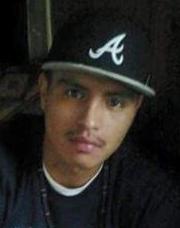
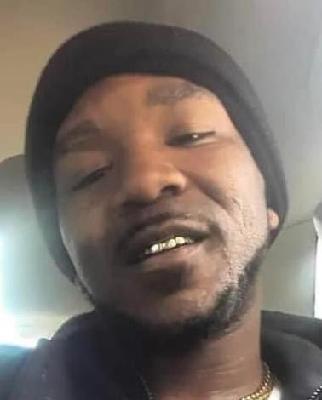
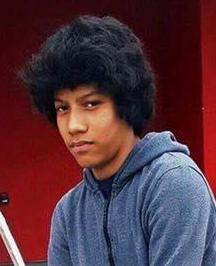
Male Obsa Mohammed Bule, a 22-year-old man from Minneapolis, was tragically killed on November 22, 2015. His murder remains unsolved, adding to the growing list of unsolved homicides in the city, which has struggled to close many cases, particularly those involving young African American men. Bule's death occurred during a time when Minneapolis was grappling with increasing violence in certain neighborhoods, and trust between law enforcement and the community was fragile, particularly in areas
with large African immigrant populations.
Despite efforts by the Minneapolis Police Department, including outreach to these communities, many homicides during that period have not been solved. This lack of closure has deeply affected the families of victims, who continue to seek justice. In cases like Bule's, the reluctance of witnesses to come forward due to fear of retaliation or distrust of the police has been a significant barrier to solving the case. Police have emphasized that community cooperation is essential for progress in investigations, but in many instances, the 'no snitching' culture persists, further hindering justice.
Bule's death is one of many in Minneapolis where the details surrounding the incident remain elusive. Minneapolis authorities, with their cold case unit and improved DNA technology, continue to revisit such unsolved cases, hoping to bring justice to victims like Bule and provide answers to their grieving families. However, the reality of cold case work is that it often takes years, and without new leads or physical evidence, these cases risk remaining in limbo.
The broader impact of unresolved cases like Bule's stretches beyond the victim's family, as unsolved murders can lead to further unrest and violence in affected communities, perpetuating cycles of violence and distrust. Authorities and community leaders have called for increased cooperation and trust-building efforts between law enforcement and residents to improve outcomes in such cases.