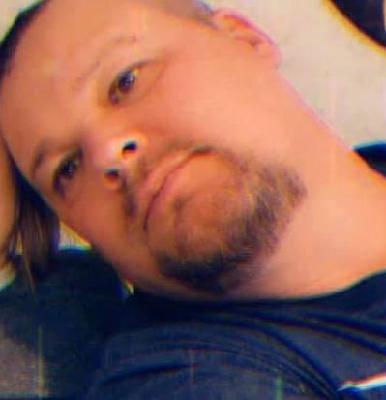
Dustin Lee Miller, a 33-year-old male, died on the afternoon of June 23, 2016, after a confrontation on Locust Avenue in Mt. Morris, Pennsylvania. Although some secondary listings placed his death in Hamburg, Pennsylvania, contemporary reporting and his obituary identify the fatal incident as occurring in Greene County, with his obituary stating that he died in Mount Morris, Pennsylvania. He was from Waverly, West Virginia, and had been traveling with his mother toward West Virginia for a mental health evaluation when the situation suddenly unraveled.
According to Pennsylvania State Police, Miller became irate while riding with his mother, put the vehicle in park, got out, and began causing damage. Witnesses described a chaotic scene on Locust Avenue, where traffic started backing up and residents and passing drivers watched Miller confront vehicles and people in the road. One witness said Miller jumped onto the front of a pickup truck, while another described seeing him kicking a small SUV that was backing out of a driveway and throwing a flower pot at it. A teenager who tried to check on him said Miller appeared highly agitated and threatened him, prompting the teen to leave the area and call 911.
The confrontation turned deadly when Miller moved toward a vehicle driven by Cam Ray Lemley, a 66-year-old man from Core, West Virginia. Police said Miller jumped in front of Lemley’s vehicle and began damaging it. Lemley got out of the vehicle with a revolver, and an argument followed. During that encounter, Lemley shot Miller. Witnesses reported hearing two gunshots, and one witness said he looked back after the shots and saw Miller fall to the road. The shooting was reported at about 4:43 p.m.
Police classified the death as a homicide in the sense that Miller was killed by another person, but investigators quickly indicated that the shooting appeared to be justifiable. Pennsylvania State Police consulted with the Greene County district attorney’s office, and Lemley was released after the shooting. Online source material located for this synopsis does not show that Lemley was arrested, formally charged, tried, convicted, or sentenced in connection with Miller’s death. The publicly available reporting instead points to authorities treating the shooting as a likely justifiable act after reviewing the circumstances known at the time.
Miller’s obituary remembered him as a self-employed laborer who worked in lawn care and noted that he was survived by family members, including his parents and stepfather. The public accounts of his death leave a stark picture: a troubled trip for a mental health evaluation, an outburst that spilled into the street, frightened witnesses trying to avoid harm, and a brief roadside confrontation that ended with Miller fatally shot before help could resolve the crisis.