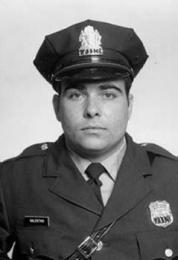
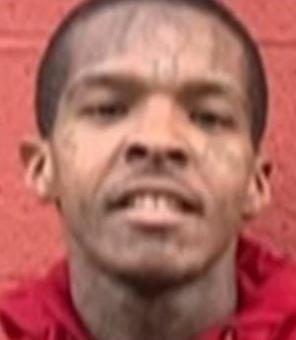
Tyrell Harris, a 35-year-old Black/African American male, died on February 26, 2019, after he was shot in Philadelphia, Pennsylvania. His death took place on the 700 block of East Woodlawn Street, a neighborhood block that became the setting for a sudden and devastating loss. What had been an ordinary day in the city ended with another family forced to face the unimaginable reality of gun violence, another name added to the record of lives taken too soon, and another story left with more
questions than answers.
The publicly available details surrounding Tyrell’s final moments are limited, but the few facts that are known carry a heavy weight. He was 35 years old, still young, still with life ahead of him, still someone connected to people who knew his voice, his presence, his habits, and the role he played in their lives. His death was not just an entry in a homicide record or a brief mention tied to a date and location. It was the loss of a person whose absence would have been felt deeply by those who loved him, especially in the quiet aftermath when the shock began to settle and the permanence of what happened became impossible to escape.
On February 26, 2019, Tyrell was shot in Philadelphia, and the violence that took his life left behind a painful silence. The available information does not describe what led up to the shooting, whether there was an argument, whether he was targeted, whether he knew the person responsible, or whether the attack came without warning. That lack of detail makes the case feel even more haunting. There is a life at the center of it, but the public record offers only fragments. A name. An age. A date. A block. A manner of death. For the people who cared about Tyrell, those fragments could never be enough to explain why he did not come home.
His death on East Woodlawn Street speaks to the kind of loss that can ripple through a community long after the police tape is gone and the street returns to its usual rhythm. A shooting can last only seconds, but the damage it causes can stretch across years. Friends and relatives are left to replay what they know, wonder what they do not know, and live with the pain of unanswered questions. The place where Tyrell died became part of his story, but it could not define the whole of who he was. He was more than the circumstances of his death, more than the violence that ended his life, and more than the limited details that remain publicly available.
No public information reviewed identified an arrest in Tyrell Harris’s death. No suspect or suspects were named in the available sources, and there were no publicly reported details of charges, a trial, or a conviction connected to his killing. That means that, based on the information available, the person responsible for taking his life has not been publicly identified or held accountable. For families of homicide victims, the absence of an arrest can deepen the grief, because it leaves them without the answers that might help them understand what happened and without the justice that might acknowledge the full weight of their loss.
Tyrell’s case remains a reminder of how many homicide victims are remembered publicly through only the barest facts, while the people who loved them carry the fuller story. They remember the person, not just the incident. They remember the birthdays, the conversations, the shared moments, the frustrations, the laughter, and the everyday details that never appear in a case summary. When someone dies violently, especially without a publicly known arrest, their loved ones are often left holding both grief and uncertainty. They mourn the person they lost while also waiting for answers that may not come quickly, or may not come at all.
The death of Tyrell Harris was a tragedy not because of where it happened or how little is publicly known, but because a human life was taken. He was 35 years old when he died, and his story ended in violence on a Philadelphia street when it should have continued. The public record may be brief, but the loss itself was not small. Somewhere beyond the limited details, there were people who had to absorb the news, people who had to say goodbye, and people who still may be hoping that someone will come forward with the information needed to bring clarity and accountability in his case.