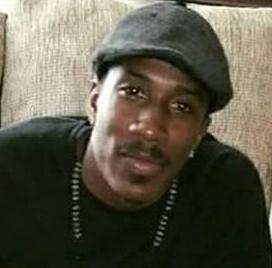
Tyrone Rogers, a 24-year-old African American male from Cleveland, OH, tragically died on February 26, 2015. His death was a result of a violent altercation that occurred during a drug-related incident. Rogers was involved in a conspiracy to possess and distribute methamphetamine, which led to his fatal encounter.
On March 24, 2018, law enforcement agents executed a search warrant at a warehouse in Hudson, Ohio, where they discovered over 140 pounds of methamphetamine.
Tyrone Rogers, along with two Mexican nationals, Hector Manuel Ramos-Nevarez and Gilbert Treviso-Garcia, were arrested and charged with conspiracy to possess with intent to distribute methamphetamine. During the investigation, authorities intercepted phone calls that revealed Rogers believed his drugs had been stolen by someone, prompting him to take lethal action.
The investigation into Tyrone Rogers' death revealed a complex web of drug trafficking and violence. The DEA and local law enforcement agencies worked diligently to dismantle the drug operation and bring those responsible to justice. The case highlighted the severe impact of drug trafficking on communities and the lengths to which individuals would go to protect their illicit activities.
In the aftermath of Rogers' death, the legal proceedings focused on the drug charges and the circumstances surrounding the violent altercation. The arrests and subsequent trials underscored the ongoing battle against drug-related crime in the Cleveland area and the broader implications for public safety and community well-being.
Tyrone Rogers' tragic death serves as a stark reminder of the dangers associated with drug trafficking and the devastating consequences it can have on individuals and their families. The case also emphasizes the importance of continued efforts by law enforcement to combat drug-related crime and protect communities from the harmful effects of illicit drugs.