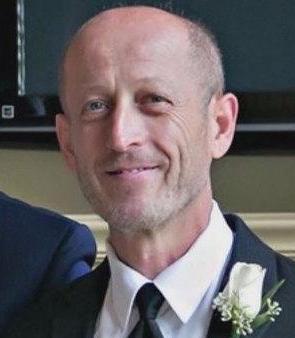
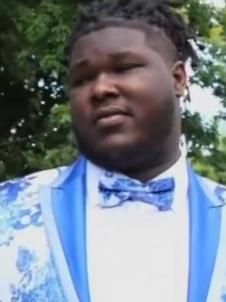
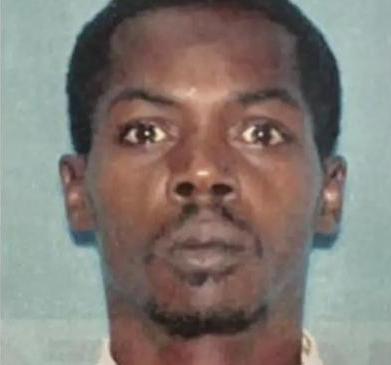
Nor “Coko” Williams, a 35-year-old Black transgender woman from Detroit, Michigan, was killed in the early hours of Tuesday, April 3, 2012, in the city’s Palmer Park area. Before sunrise, the neighborhood was quiet in that uneasy way it can be when the night is ending but the day hasn’t fully begun. Then, not long after 6:00 a.m., police were called to Parkhurst Street near Woodward Avenue, just north of McNichols where Williams was found outside a home, fatally wounded.
Investigators described the scene as an early-morning shooting, and reports later added a chilling detail: Williams had been shot and her throat had been slashed. Paramedics pronounced her dead at the scene. People in the area told authorities the block was known for sex work, but there was no clear indication that Williams had been involved in it that morning, even as the setting fueled rumors that spread faster than verified facts.
Witness accounts gave police their first fragile lead. People told investigators the attacker or attackers fled almost immediately, leaving in a gold-colored vehicle. Beyond that, the outline of what happened blurred into the kinds of unanswered questions that so often follow street violence at dawn: who was waiting, who was passing through, who knew whom, and whether the attack was personal, opportunistic, or driven by bias. In the first days after the killing, police said no arrests had been made, and the motive remained uncertain.
As word of the death traveled, grief mixed with anger—especially after a local TV report framed the story in a way many in the community saw as demeaning. Activists and supporters pushed back publicly, arguing that the coverage reduced Williams to a stereotype instead of treating her as a person with a life, relationships, and dignity. Friends remembered her as someone who could be quiet and kind, and reports noted that she sometimes worked as a hairstylist, a detail that stood in stark contrast to the label that had been applied to her in the immediate aftermath.
In the end, the most concrete details remained the hardest: a life ended on Parkhurst Street, a gold car disappearing into the city, and investigators asking anyone with information to come forward. Some reporting suggested, at one point, that a suspect might have been in custody, but no widely documented public outcome followed—no clearly identified suspect named in official announcements, no charges that resolved the case in court, and no conviction that brought closure. The story of Williams’s death has lingered not only as an unsolved homicide, but as a reminder of how quickly violence can erase someone—and how fiercely a community may have to fight just to make sure the victim is remembered as human.