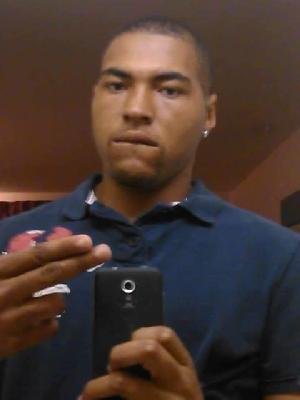
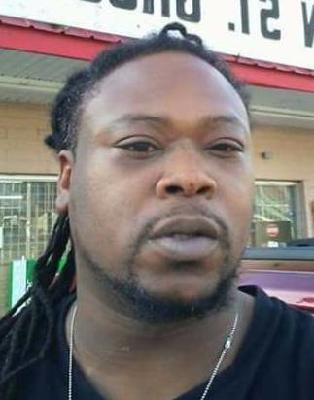
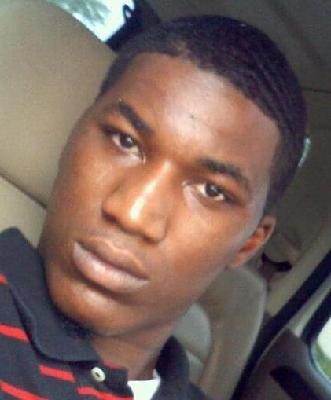
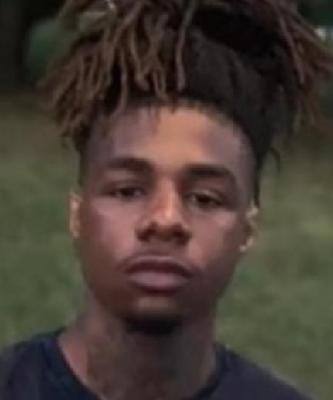
Gerald Dwayne Williamson Sr., a 28-year-old African American male, was tragically shot and killed on February 28, 2014, in High Point, North Carolina. The incident occurred just after midnight at Kenzie’s Event Center, located at 401 Brentwood Street. Williamson was found suffering from multiple gunshot wounds and was immediately transported to High Point Regional Hospital, where he was pronounced dead.
The investigation into Williamson's death revealed that he was attending a birthday
party at the event center when the shooting took place. More than 100 people were present at the time of the incident, but despite the large number of witnesses, the case proved challenging for law enforcement. Initial reports indicated that there were no immediate suspects, and the police were actively seeking information from the public to aid in their investigation.
In March 2014, Nathan Eugene Wilson, a 41-year-old African American male, was arrested and charged with first-degree murder and possession of a firearm by a felon in connection with Williamson's death. Wilson, who had the nickname "Goodfoot" tattooed on his right forearm, was identified as the shooter by two witnesses and multiple Crimestoppers tips. However, the case against Wilson faced significant hurdles. Despite the initial identification, the evidence collected by the High Point Police Department was deemed insufficient to secure a conviction.
After nearly a year in jail, the murder charge against Wilson was dismissed in February 2015 due to a lack of evidence. Prosecutors determined that the available evidence was not strong enough to proceed to trial, and they opted to dismiss the case to allow for the possibility of re-filing charges if new evidence emerged. The decision to dismiss the case was made in consultation with the High Point Police Department, who continued to work on the investigation in hopes of finding additional evidence to bring the perpetrator to justice.
The tragic death of Gerald Dwayne Williamson Sr. remains a poignant reminder of the challenges faced by law enforcement in solving violent crimes, particularly when witnesses are reluctant to come forward. The case highlights the importance of community cooperation and the need for continued efforts to seek justice for victims and their families.