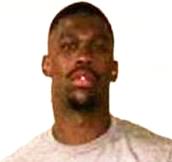
Floyd Lewright Smith Jr., a 26-year-old African American male, was tragically shot and killed on June 15, 2017, in Raleigh, North Carolina. The incident occurred at an apartment complex located in the 1800 block of Cantwell Court near Raleigh Boulevard. According to reports, Raleigh police responded to the scene just before 4 p.m. on that fateful Thursday. Upon arrival, they discovered Smith and another individual who had sustained multiple gunshot wounds.
Smith succumbed to his injuries, while the second victim was transported to WakeMed for treatment.
The investigation revealed that the shooting was the result of a robbery gone wrong. Floyd Lewright Smith Jr. and the second victim had met Daquan Tyrek Martin, a 20-year-old African American male, at a gas station. Martin had agreed to help them purchase narcotics and instructed them to follow him to the Raleigh North Apartments. Upon arrival, Martin and Derrick Lamont Jones, a 21-year-old African American male who was already at the apartment complex, attempted to rob Smith and the second victim. During the course of the robbery, both Smith and the second victim were shot.
Witnesses reported hearing gunshots and seeing a car crash into a tree. One witness, Moesha Bland, recounted how she tried to help the shooting victim in the car but found his body unresponsive with a gunshot wound to the head. Another witness, David Wright, described how he was alerted to the shooting by someone driving by and telling him to take the kids inside.
Following the incident, Derrick Lamont Jones was charged with murder and attempted first-degree murder in connection to the shooting. He was taken to the Wake County Detention Center. Daquan Tyrek Martin was also charged with one count each of murder and attempted first-degree murder. The investigation uncovered text messages exchanged between Martin and his girlfriend, discussing the homicide and the events leading up to it.
The tragic death of Floyd Lewright Smith Jr. highlights the dangers associated with illegal activities and the devastating impact they can have on individuals and their families. The case serves as a reminder of the importance of addressing the root causes of violence and crime in communities to prevent such senseless tragedies from occurring in the future.