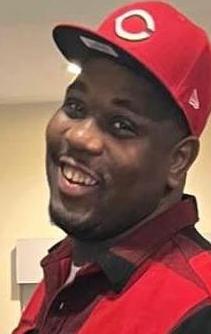
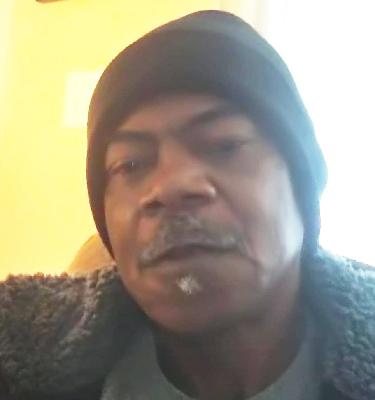
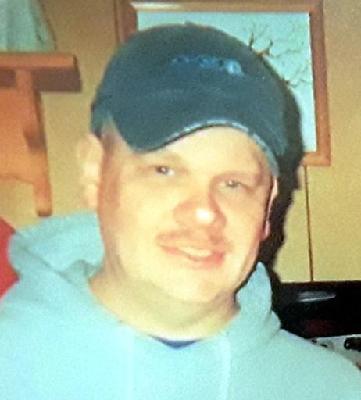
On the evening of May 20, 2017, a shooting at a residence in Lexington, North Carolina, claimed the life of Billy Ray Bare, a 39-year-old man, and left another person seriously injured. The violence occurred at a home located at 1596 Burkhart Road in Davidson County. At approximately 7:30 p.m., deputies with the Davidson County Sheriff's Office responded to reports of gunfire. When authorities arrived, they discovered Bare lying dead in the front yard of the residence.
Another man, identified as 24-year-old Tyler Gransbury, was found nearby suffering from gunshot wounds. What had begun as a Saturday evening gathering had ended in a deadly confrontation that devastated a family and prompted a homicide investigation.
Investigators determined that Bare had suffered a fatal gunshot wound, with relatives reporting that he had been shot once in the chest. Gransbury sustained multiple gunshot wounds and was transported to Wake Forest Baptist Medical Center in Winston-Salem for emergency treatment. He survived the shooting, although the experience reportedly left lasting emotional consequences. In the months that followed, Gransbury relocated out of North Carolina after experiencing symptoms associated with post-traumatic stress disorder. Authorities secured the scene and began investigating the circumstances that led to the shooting, including the relationship between those involved and the events immediately preceding the violence.
The investigation quickly focused on Patrick Alan McCoy, a 27-year-old Lexington resident who lived at the Burkhart Road property where the shooting occurred. McCoy was taken into custody and charged with first-degree murder in connection with Bare's death and attempted murder in connection with the shooting of Gransbury. Investigators identified him as the individual allegedly responsible for firing the shots that killed Bare and wounded Gransbury. McCoy remained incarcerated without bond following his arrest, facing the possibility of life imprisonment if convicted of the most serious charge.
As details emerged, the circumstances surrounding the confrontation became clearer, although important questions remained unanswered. Relatives familiar with those involved reported that McCoy and Bare knew each other and had spent time together earlier that day. Several family members indicated that alcohol had been involved in their activities and that a disagreement developed before the shooting. However, the precise subject of the dispute and the sequence of events leading to the gunfire were not conclusively established in the available reporting. McCoy's family publicly questioned whether the shooting might have involved self-defense, emphasizing that investigators had not yet disclosed every circumstance surrounding the confrontation. These statements represented the family's perspective rather than an official determination that McCoy had acted in self-defense.
For Bare's loved ones, the loss was sudden and overwhelming. A close member of the family described Bare as someone who had provided guidance, companionship, and support throughout their life. Other relatives struggled with the knowledge that he would no longer be present for important family milestones, including watching his young grandson grow older. The family remembered him as a caring individual whose absence would be deeply felt in everyday life. In the aftermath of the shooting, relatives spoke publicly about their grief and their desire to see the person responsible held accountable. Efforts were also organized to help cover funeral expenses as the family confronted the financial and emotional consequences of his death.
The criminal proceedings attracted additional attention in July 2017 when prosecutors prepared for a hearing concerning the possibility of capital punishment. A Rule 24 hearing was scheduled for July 13, 2017, in Davidson County. Under North Carolina's criminal procedure, such hearings are used in potentially capital murder cases to address whether prosecutors intend to pursue the death penalty. The prospect of capital punishment reflected the seriousness of the allegations against McCoy, although the scheduling of the hearing did not establish his guilt or mean that prosecutors had ultimately decided to seek a death sentence.
The possibility of a death sentence also highlighted the different reactions among the families affected by the shooting. Some of Bare's relatives expressed support for the harshest possible punishment, arguing that the killing had permanently changed their lives. McCoy's family, meanwhile, issued a public statement expressing sorrow over Bare's death and Gransbury's injuries. They acknowledged the suffering experienced by both families and appealed for peace rather than further hostility. Despite those expressions of sympathy, the criminal allegations against McCoy remained serious, and determining precisely what happened at the residence was central to the legal proceedings.
Available public reporting confirms McCoy's arrest, the murder and attempted murder allegations, and the scheduling of the July 2017 capital-case hearing. However, no reliably documented final trial verdict, guilty plea, acquittal, conviction, or sentencing outcome could be established from the available records. Consequently, it would be inaccurate to describe McCoy as having been convicted or sentenced without additional court documentation.
There is also a discrepancy concerning Bare's reported date of death. Although some later memorial listings identify June 17, 2017, contemporaneous news coverage published on May 21 and May 22, 2017, establishes that the fatal shooting occurred on Saturday, May 20, 2017. Reporting from July 2017 independently confirms that the shooting took place in May. The earlier date is therefore better supported by the available reporting.
Billy Ray Bare's death left a grieving family seeking justice and another shooting victim dealing with the consequences of surviving the same violent encounter. While investigators identified and arrested a suspect shortly after the killing, the publicly verifiable record does not establish the ultimate disposition of the criminal case. His death remains a reminder of how quickly a confrontation can turn deadly and how deeply a single act of violence can affect the lives of those left behind.