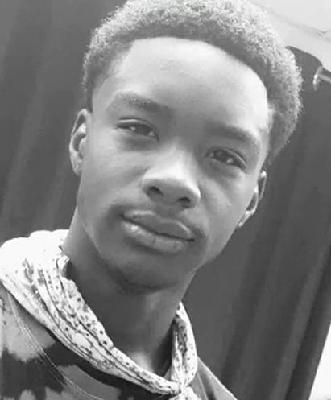
Mandell Ledet Duplessis, also reported as Mandela Duplessis, was a 24-year-old Black man who died in New Orleans, Louisiana, on August 4, 2006, a loss that tore through his family and left his mother searching for answers in a city where answers could be hard to hold onto.
In the months after Hurricane Katrina, people were still living in FEMA trailers, trying to stitch together something like normal life in neighborhoods that had been shaken to the core.
In August 2006, Duplessis walked into a friend’s trailer and, as later described in a national report, stepped straight into a robbery already in motion. Gunfire erupted, and he was struck multiple times; he would die with five gunshot wounds.
Those who knew him remembered a young man split between what he was doing and what he wanted to become. His mother, Nadine Finister, spoke about warning him that the drug life only ended in three places, and she described him as a small-time dealer who still carried a bigger dream—music, a demo CD, a hope that rap might be a way out. Others would later describe him in the same breath as an aspiring rapper, and the killing as one more tragedy in a cycle that kept swallowing young men whole.
Police made arrests, but the case wouldn’t hold. Four men were arrested on suspicion in connection with the slaying, including Garelle Smith, yet prosecutors ultimately did not bring the murder case to trial. In the account given later, surviving victims of the trailer shooting did not testify before the grand jury, and without that cooperation, the suspects were never charged for the homicide—no trial, no conviction, and the men who had been accused walked free.
By early 2007, Smith became the most publicly named figure tied to the case. He was arrested in January, and for a moment it looked like the system might finally clamp down—until it didn’t. Prosecutors said the evidence was thin, and by March he was released from jail after the district attorney’s office declined to charge him for Duplessis’ killing; reporting noted that, up to that point, multiple arrests connected to the homicide had unraveled as witnesses were deemed not credible or would not cooperate. In the end, the story closed not with a verdict, but with an open wound: a mother saying the investigation felt like a mess, and a young man’s death left suspended in the space between suspicion and proof.