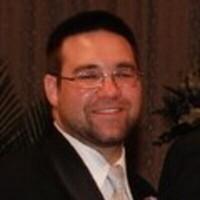
On October 1, 2016, violence struck the city of Detroit, Michigan, claiming the life of Randy Mack. The 28-year-old African American male was fatally shot during a turbulent period for the community, which was grappling with high rates of violent crime. His death added to a growing list of homicides in the area that year, leaving investigators with the difficult task of piecing together the events that led to the shooting.
Despite the efforts of law enforcement to gather evidence at the scene, the immediate circumstances surrounding the incident offered few leads for detectives to follow.
The investigation into the homicide encountered significant hurdles from the outset. The Detroit Police Department, already facing a substantial backlog of cold cases, struggled with a lack of physical evidence and a scarcity of cooperative witnesses willing to come forward with information. These challenges hindered the ability of authorities to identify a motive or pinpoint individuals who might have been involved in the crime. Over time, the inquiry stalled, and the case joined thousands of other unresolved homicides in the city, highlighting the systemic resource issues faced by local law enforcement.
To date, no suspects have been publicly named or apprehended in connection with the killing. There have been no arrests, charges filed, or convictions related to the death. The case remains classified as unsolved, with police and community organizations continuing to appeal to the public for any tips that might break the silence surrounding the events of that October day. The lack of closure persists, as the search for justice for Randy Mack continues without a resolution in the legal system.