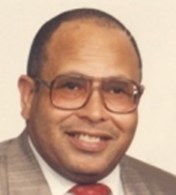
Charles Vincent, a 59-year-old Black man, was killed by gunfire in Baton Rouge, Louisiana, in the hours around July 13, 2014, a night that began quietly and ended with police racing to catch up to violence that had already done its work. In the dim stretch of early morning—just after midnight—someone opened fire and Vincent was struck. By the time help arrived, the urgency was absolute: he was rushed from the scene to a hospital, but the wounds were too severe, and he died soon after.
Initial reports described Vincent as homeless, a detail that cast the shooting in a harsher light—one more reminder of how easily people living on the margins can become targets, or can vanish into the background of a city’s overnight chaos. Detectives with the Baton Rouge Police Department began treating the case as a homicide, working backward from the thin timeline: a shooting reported shortly after 12:00 a.m., a victim transported, and a death that turned a fast-moving emergency into a long, uncertain investigation.
What happened in the moments before the shots is not laid out in widely available public accounts. There is no clear public narrative of an argument overheard, a robbery gone wrong, or a named person seen fleeing into the dark. Instead, the case emerges in fragments—time of the call, the transport to the hospital, the stark confirmation that Vincent did not survive—leaving the story shaped as much by what is missing as by what is known.
As for accountability, publicly accessible reporting does not consistently identify a suspect or suspects, and it does not provide a clear, verifiable record of an arrest tied to Vincent’s killing. No publicly detailed charging documents, court proceedings, trial coverage, or conviction information appears in the readily available accounts connected to his death. What remains, in the public view, is the image of a man shot in the earliest minutes of a new day, and an investigation that—at least in what can be confirmed from accessible sources—never gained the kind of public resolution that turns a killing into a closed chapter.