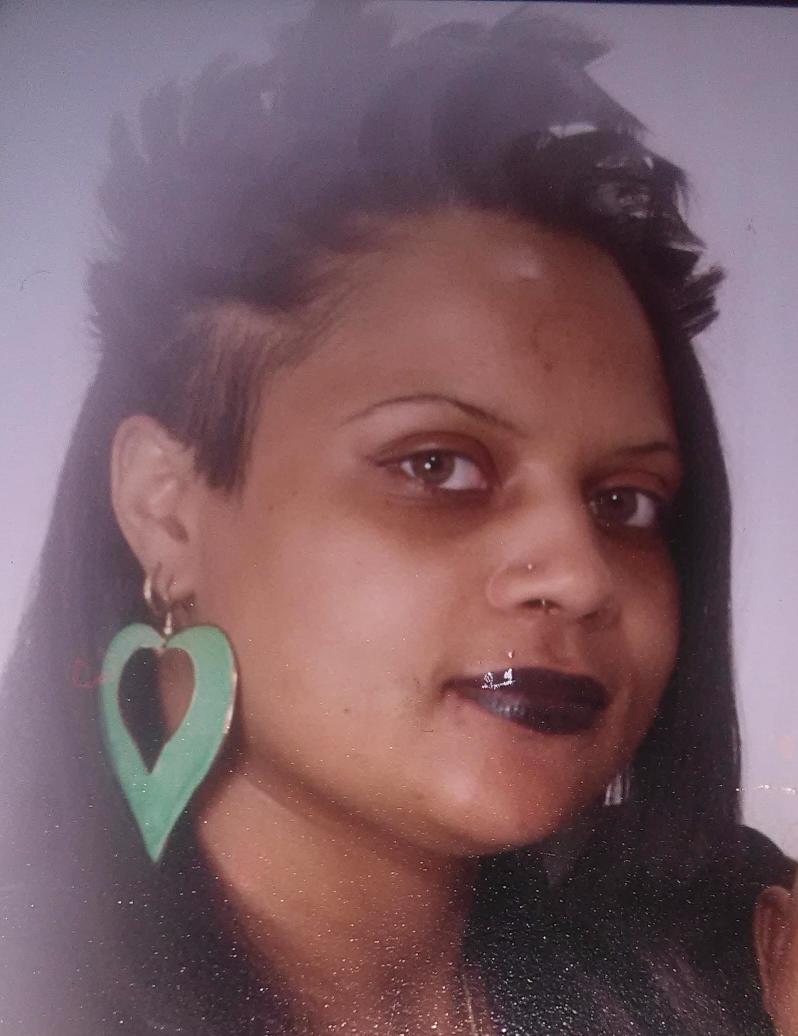
Brooke Ashley Crawford, 30, a White woman from Baton Rouge, Louisiana, disappeared into the thin winter days of late January 2015, and then reappeared in the starkest way: her body was found in an open field near the 1500 block of Gracie Street on January 26, 2015. Investigators said she had been shot multiple times, and early reports suggested the gunfire likely came sometime the night before, leaving her out in the cold until daylight revealed what had happened.
As the city tried to make sense of yet another violent death, detectives worked the ground-level details—where she was found, what had been left behind, and what might still be hidden in the scene. DNA was collected during the investigation, and police said that evidence led them to a young man named Rajeski Ford. On February 6, 2015, Baton Rouge police arrested Ford, then 25, and charged him in connection with Crawford’s shooting death, even though authorities acknowledged the motive was unknown at the time.
The case against Ford, as described publicly later, leaned heavily on forensic leads and what he was said to have told investigators. Police indicated the DNA pointed in his direction, and the reporting stated that Ford allegedly admitted he had sex with Crawford before she died, while still insisting he did not kill her. Yet key pieces that often anchor a prosecution—like a clear motive and a recovered murder weapon—were not publicly identified, even as Ford sat in the East Baton Rouge Parish Prison with bond set at $250,000.
Then the case turned on the clock as much as the evidence. In July 2015, a grand jury did not return an indictment; the matter was pretermitted, meaning it could not move forward at that time and was not dismissed outright. With no indictment, prosecutors could not proceed, and after more than 150 days in custody, Ford was released. Reporting explained that Louisiana law can impose time limits on presenting certain cases to a grand jury after an arrest, and in this instance that window was exceeded; while the case could theoretically be brought back, it was described as uncommon for a pretermitted case to return.