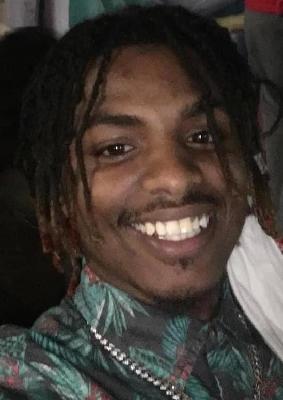
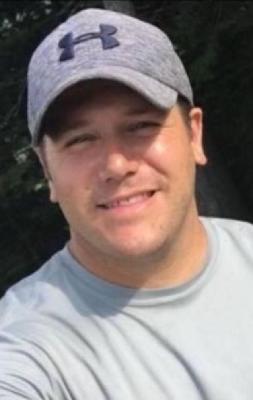
Maurilo Galindo, 31, male, died on August 29, 2016, in Denham Springs, Louisiana. In a place where roads, neighborhoods, and familiar faces can blur together into something that feels safe simply because it’s known, his death landed like a sudden, irreversible silence. It is the kind of loss that doesn’t just belong to one moment on a calendar; it stretches forward, changing the shape of ordinary days for everyone who loved him.
In the absence of more public details here, what stands
out most is the starkness of what is known: a man was alive, then he was gone, and the world around him kept moving. Denham Springs remained Denham Springs—the same skies, the same storefronts, the same routines—yet for the people closest to him, nothing could ever be exactly the same. Grief has a way of turning even the smallest places into landscapes filled with echoes: a street corner that suddenly feels heavy, a familiar drive that now carries memories like a weight, a season of the year that comes around again and again with the same ache attached to it.
A death at thirty-one is a cruel interruption. It suggests plans still forming, conversations not finished, jokes left hanging mid-laugh. It suggests someone who should have had more time—more mornings, more chances to show up, more chances to be surprised by life, more chances to be ordinary in the best ways. When someone dies young, the mind naturally reaches for what might have been: future holidays, future birthdays, future milestones that now exist only as imagined shadows. It is not just the loss of a person, but the loss of all the moments that were meant to happen because that person was supposed to still be here.
For those who knew him, the hardest part is often how quickly the world expects you to adapt to the unthinkable. The first days bring a rush of shock, a flood of disbelief, and then the long, slow reality sets in—an empty space where a voice used to be, a name that now comes with a sting, a chair that seems too still. People talk about closure, but grief doesn’t neatly close; it rearranges itself. Some days it is quiet and manageable, and other days it arrives without warning—triggered by a song, a smell, a passing mention of Denham Springs, or simply the sudden memory of a smile that once made everything feel lighter.
Nothing in the information provided here identifies a suspect, an arrest, or any legal outcome connected to his death. That absence can be its own kind of pain: unanswered questions, unfinished explanations, a story that feels incomplete even though the loss is painfully final. When details are scarce, loved ones are left holding what they do have—his name, the date, the place, the fact of his life and the fact of his death—and trying to make sense of a world that can change in a single day.
What remains, even when facts are limited, is the human truth at the center of it: Maurilo Galindo mattered. He was not just a date on a timeline. He was someone’s friend, someone’s family, someone whose presence left an imprint that doesn’t disappear simply because time passes. The people who carry him forward do so in the quiet ways that don’t always show: speaking his name, remembering his laugh, telling stories that keep him close, and holding onto the fragments of joy that still shine through the sorrow. And in that remembering, there is something enduring—an insistence that his life is more than the moment it ended, that he is still part of the world through the love that remains behind.