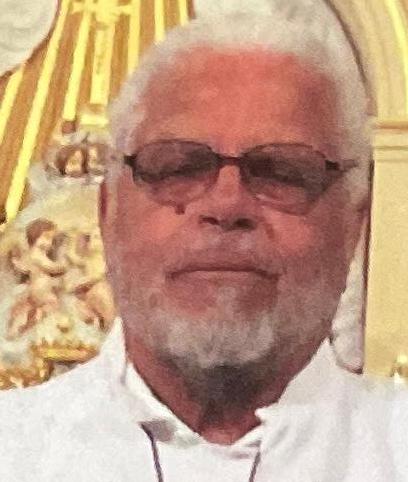
Donald Dillard, a 39-year-old Black man, was killed early Sunday morning, February 25, 2018, after gunfire erupted inside a vehicle in New Orleans’ Treme area. In the quiet hours around 3:20 a.m., the car moved along the 1000 block of North Dorgenois Street when, according to police accounts later relayed by local media, something shifted in the cramped space between driver and passenger—an instant of suspicion, a sudden motion, a reach that would be described afterward as the moment
everything went wrong.
Investigators said the driver, Cardero Davis, pulled a gun and shot Dillard. Another person in the vehicle told officers he saw Dillard reaching for something just before the shot was fired, a detail that quickly became central to the first public explanations of what happened. The wounded man was then taken not by an ambulance, but by the person police accused of shooting him—Davis drove Dillard to University Medical Center, where Dillard later died from his injuries.
After bringing Dillard to the hospital, Davis went to the New Orleans Police Department’s First District Station and turned himself in, according to reports. Police arrested him on a charge of second-degree murder, and coverage at the time described him being booked into Orleans Parish Prison. The case was unusual not only for its speed—shot, driven to the hospital, and a surrender to police within the same morning—but for the unsettling intimacy of the scene: not a distant shooter disappearing into the night, but someone close enough to share a car ride, close enough to carry the aftermath straight to an emergency-room door.
In the immediate aftermath, officials said few additional details were released publicly beyond the basic sequence of events, the location, and the charge. Contemporary reports urged anyone with information to contact Crimestoppers, suggesting investigators still wanted clarity about what led up to the fatal moment inside the vehicle. Publicly available reporting tied to the initial arrest focused on the surrender and the second-degree murder charge and did not, in those accounts, describe later courtroom outcomes such as a plea, trial, or conviction.