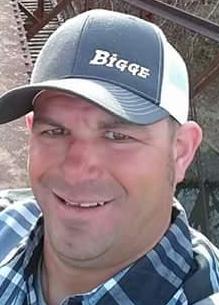
On a summer day in Dequincy, Louisiana, the life of Zacchaeus Hakim Burton, a 29-year-old African American male, was tragically cut short. On July 17, 2019, his body was discovered by teenagers at the desolate end of a dead-end road. The initial identification of his remains was a slow process, requiring DNA confirmation that took several days. The investigation into his death would uncover a story of betrayal by a man he considered a friend.
The subsequent police investigation led to
the arrest of two individuals, Nathaniel Mitchell III and George Buck. What emerged was a narrative of a friendship that had soured into a deadly confrontation. Buck, who eventually accepted a plea deal and testified against his co-defendant, provided a chilling account of the hours leading up to the murder. He recounted to jurors that Mitchell and Burton had been with him on the morning of the killing, and that Mitchell had expressed a belief that Burton intended to harm him, stating he was 'going to do something to stop him.'
Following this declaration, the three men's paths intertwined throughout the day, a fact later corroborated by video surveillance and license plate readers in the Dequincy area. Mitchell's ex-wife also testified to seeing her former husband with Burton on that fateful day. According to Buck's testimony, despite knowing of Mitchell's violent intentions, he directed the pair to the secluded road where Burton's life would be taken. There, Mitchell shot and killed his friend before setting his body on fire in an attempt to conceal the crime.
In 2022, Nathaniel Mitchell III was convicted of second-degree murder for the death of Zacchaeus Hakim Burton. He was sentenced to life in prison without the possibility of parole, probation, or suspension of sentence. Mitchell later appealed his conviction, arguing against the admission of certain evidence and claiming ineffective counsel. However, the appellate court upheld the original verdict and sentence, ensuring that he would remain imprisoned for his crime.