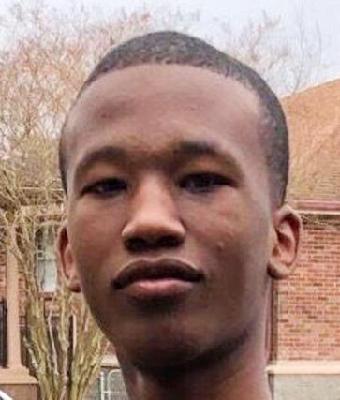
LaQuinn Nicholas, a 14-year-old Black male, was shot in Harvey, Louisiana, on April 10, 2021, a night that began like any other in his neighborhood and ended with a teenager fighting for his life. In the hours after the gunfire, he was rushed for medical care, and the days that followed became a tense, exhausting stretch for everyone who loved him—waiting for updates, clinging to hope, and trying to make sense of why a child had been caught in a violence that wasn’t his to carry.
As
the story spread through the community, the picture that emerged of LaQuinn was not only of a victim, but of a boy with a nickname and a life already filled with routines and relationships. Online memorials and funeral-home notices described him as “Hammer,” a young student-athlete who played football and basketball and was connected to school and family on both sides of the river. Those remembrances lingered on the ordinary details that make a person real—teams, classmates, relatives, and the circle of people who expected to watch him grow up.
LaQuinn did not recover. Public death notices connected to his family reported that he later died in New Orleans on April 18, 2021, after the injuries he suffered in the Harvey shooting. The grief that follows a teenager’s death is never contained to one household, and the language of the announcements reflected that—inviting friends and relatives to gather, to honor him, and to hold onto memory when the future that should have unfolded was suddenly gone.
In the publicly available sources accessible online for this case, clear details about arrests, identified suspects, or court outcomes are not consistently provided. Some listings confirm the fatal shooting and identify LaQuinn by name, age, and location, but they do not reliably include named defendants or a publicly documented chain of charges, trials, or convictions tied to his death.