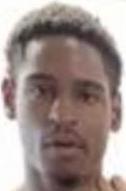
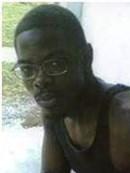
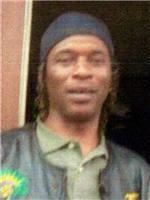
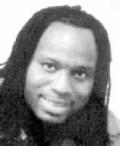
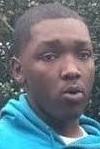
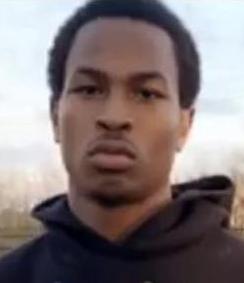
David Lee Curley, Sr., 38, a Black man, died on April 9, 2022, in New Orleans, Louisiana, leaving behind a circle of family and friends who remembered him in the ordinary, intimate details that make a life feel solid: the schools he walked through, the teams he rooted for, the small routines that filled his days. In notices shared after his death, he was described as a New Orleans native and resident who attended L. B.
Landry Senior High School, someone who showed his pride in local football in the easy way fans do—by wearing black and gold when the Saints were on.
In the portrait that emerges from those remembrances, he wasn’t defined by one single moment, but by the patterns people came to expect from him: time spent with family, the comfort of familiar hobbies, the warmth of cooking, the pull of travel when he could get it, and the simple pleasure of unwinding with video games. The words left behind in his obituary focused on what he loved and how he moved through the world, the kind of snapshot meant to hold steady when everything else is spinning.
Public memorial listings connected his death to gun violence, placing him among the people lost that day in New Orleans and recording the date as part of a broader, grim ledger that tracks fatal shootings across the country. Those entries, however, do not provide a narrative of what happened—no public account of where he was, who was with him, or how the final minutes unfolded—only the stark fact of the loss and the place it occurred.
Because of that limited public record, there is no clear, widely published trail of investigative developments tied specifically to David Curley’s death—no publicly named suspect, no publicly confirmed motive, and no reported arrest or prosecution identifiable from the available online sources reviewed. What remains visible to the public is the aftermath: a grieving community marking his name, and the quieter testimony of an obituary that insists he was more than the violence that took him.