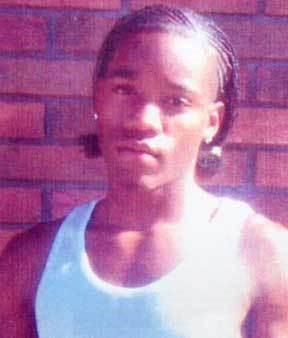
Willie Williams III, a 17-year-old African American male, tragically lost his life on April 1, 2006, in Chicago, Illinois. Willie was a promising basketball star at Robeson High School and a member of the Jesse White Tumblers. His untimely death occurred during a violent altercation outside the Ford City shopping center following a late-night showing of the movie "ATL."
The incident began with a verbal exchange between two groups of friends inside the theater, which escalated into a physical confrontation in the parking lot. As Willie walked towards the area where one of his friends was involved in the fight, Eddie Fenton, then 27 years old, approached him from behind and fatally shot him in the head with a revolver.
The case remained unsolved for several years until new witnesses came forward in 2010, leading to Fenton's arrest. The case gained significant attention after being featured on "America's Most Wanted," which helped in identifying and apprehending Fenton. During the trial, prosecutors argued that Fenton's actions were premeditated, while his defense claimed that the case was built on unreliable testimonies from police informants and convicted felons seeking deals for their own cases.
In 2012, a Cook County jury found Eddie Fenton guilty of first-degree murder in the death of Willie Williams III. The jury deliberated for about three hours after a four-day trial. Fenton was also linked to another murder case through DNA evidence, involving the 2006 shooting of a 28-year-old man at a back-to-school party at Fenton's sister's home. Fenton faced a potential sentence of 45 years to life in prison for the murder of Willie Williams III, with sentencing set for November 8, 2012.
The conviction brought some measure of justice to Willie's family, who had endured years of uncertainty and grief. The case highlighted the challenges of solving cold cases and the importance of witness cooperation in bringing perpetrators to justice. Willie's death remains a poignant reminder of the impact of gun violence on young lives and the communities they leave behind.