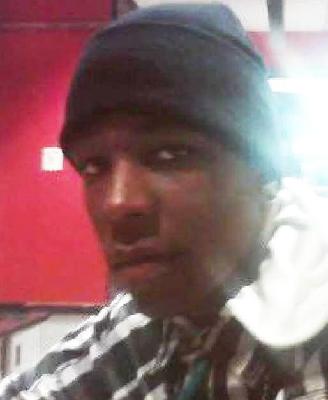
Dakota Bright, a 15-year-old African American male, was fatally shot by a Chicago police officer on November 8, 2012, near 67th Street and South Indiana Avenue in Chicago, Illinois. The incident occurred during a foot chase, where the officer claimed to have believed that Dakota was armed and posed a threat. However, Dakota was shot in the back of the head while fleeing, and no weapon was found on him.
This tragic event sparked significant controversy and public outcry, as it was seen as another instance of police violence against young African American males.
The Independent Police Review Authority (IPRA) conducted an investigation into the shooting and concluded that the officer's use of force was "unprovoked" and "unwarranted." The IPRA's report highlighted inconsistencies in the officer's statements and challenged the credibility of his account. Despite the findings, the officer involved in the shooting was not named, and his current status remains unclear. The ruling by the IPRA was a rare decision, as it is uncommon for the agency to determine that a police shooting was unjustified.
In response to the shooting, Dakota Bright's family filed a lawsuit against the city of Chicago. In 2016, the city settled with the family for nearly $1 million. The settlement, however, did not bring closure to the family or the community, as many continued to demand justice and accountability for Dakota's death. The case became a symbol of the broader issues of police brutality and systemic racism within law enforcement.
The community's reaction to Dakota Bright's death included protests, rallies, and calls for reform. Activists and community members gathered to honor Dakota's memory and to advocate for changes in police practices. The case also drew attention to the need for greater transparency and accountability in police investigations, as well as the importance of addressing the root causes of violence and mistrust between law enforcement and the communities they serve.
Overall, the death of Dakota Bright, a 15-year-old African American male, remains a poignant reminder of the ongoing struggles for justice and equality in the face of police violence. The case underscores the critical need for systemic change to prevent such tragedies from occurring in the future.