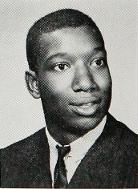
Fredrick Allen 'Fred' Hampton, a 21-year-old African American male, was a prominent leader in the Black Panther Party and a key figure in the civil rights movement. On December 4, 1969, Hampton was tragically killed during a pre-dawn raid at his apartment in Chicago, Illinois. The raid was conducted by a tactical unit from the Cook County State's Attorney's Office, with assistance from the Chicago Police Department and the FBI.
Hampton was shot multiple times while he lay in bed, having been drugged earlier that night to ensure he would not wake up during the raid. The raid resulted in over 100 gunshots fired by law enforcement, while the occupants of the apartment fired only once.
The circumstances surrounding Hampton's death led to significant controversy and allegations of a coordinated assassination. The FBI had identified Hampton as a radical threat due to his influential role in the Black Panther Party and his efforts to form the Rainbow Coalition, a multicultural political organization aimed at addressing social injustices. The FBI's COINTELPRO program, which sought to disrupt and neutralize black progressive groups, played a crucial role in the events leading up to Hampton's death.
In January 1970, a coroner's inquest concluded that the deaths of Fred Hampton and Mark Clark, another Black Panther member killed during the raid, were justifiable homicides. However, this verdict was met with widespread skepticism and outrage. A civil lawsuit was subsequently filed on behalf of the survivors and the families of Hampton and Clark. In 1982, the lawsuit was settled for $1.85 million, with the U.S. federal government, Cook County, and the City of Chicago each contributing one-third of the settlement amount.
The revelations about the FBI's involvement and the illegal COINTELPRO program have led many scholars and activists to view Hampton's death as a deliberate assassination orchestrated by the FBI. The case remains a poignant example of the extreme measures taken by law enforcement agencies to suppress political dissent and civil rights activism during that era.