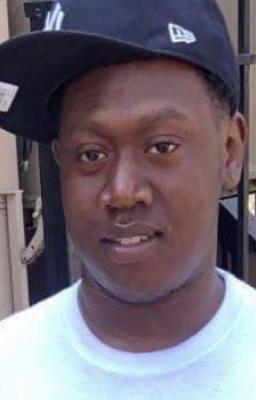
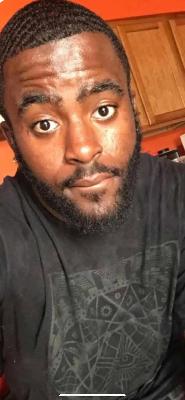
Jamal Coleman, a 22-year-old African American male from Chicago, IL, was tragically shot and killed on September 21, 2013. Coleman was found with multiple gunshot wounds on a sidewalk in the 1300 block of West Washburne Avenue in the University Village/Little Italy neighborhood. He was pronounced dead shortly after being transported to Stroger Hospital.
Coleman, who lived in the 5400 block of West Monroe Street, had recently secured a job with a mailing company and was looking forward to celebrating his son's first birthday. His death was part of a violent weekend in Chicago, where multiple shootings occurred, drawing significant attention to the city's ongoing gun violence issues.
The investigation into Jamal Coleman's death revealed that he was one of at least five people shot and killed between Friday afternoon and Saturday morning. Despite the efforts of law enforcement, no arrests were made immediately following the incident. The police continued to search for suspects and gather evidence, but the case remained unsolved for some time. The lack of witnesses and the prevalence of gun violence in the area made it challenging for investigators to identify the perpetrators.
In the years following Coleman's death, the case saw little progress. The Chicago Police Department faced criticism for its handling of the investigation, with community members and activists calling for more resources and attention to be devoted to solving the case. The broader issue of gun violence in Chicago continued to be a significant concern, with many similar cases remaining unsolved. Coleman's family and friends continued to seek justice, holding vigils and memorials to keep his memory alive and to pressure authorities to find those responsible for his death.
The tragic death of Jamal Coleman highlights the pervasive issue of gun violence in Chicago and the challenges faced by law enforcement in solving such cases. Despite the passage of time, the pain and loss felt by Coleman's loved ones remain, as they continue to hope for justice and closure. The case serves as a stark reminder of the human toll of gun violence and the need for comprehensive efforts to address this critical issue.