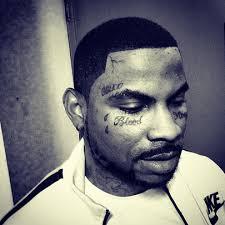
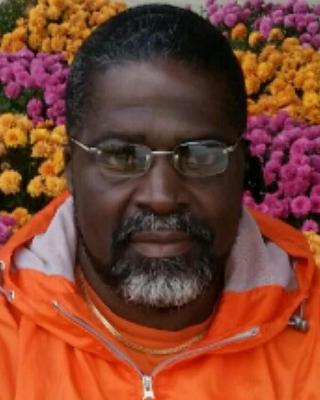
Mario Hess, also known as Big Glo or Blood Money, was a 30-year-old African American male and a cousin of rapper Chief Keef. He was shot and killed on April 9, 2014, in the Englewood neighborhood of Chicago, Illinois. The incident occurred around 9:30 p.m. on South Elizabeth Street, outside his family's home. Hess had recently signed a record deal with Interscope Records and was attempting to transition from street life to a professional music career.
On the night of his death, he was reportedly shot multiple times, with some sources indicating he was hit as many as ten times. He was pronounced dead at John H. Stroger Jr. Hospital of Cook County.
The shooting involved two gunmen who opened fire, leaving more than 24 shell casings at the scene. An unidentified 28-year-old man was also wounded in the shootout and was taken to the hospital in serious condition. The relationship between this individual and Hess remains unclear. The motive behind the shooting is speculated to be linked to jealousy and the visibility of Hess's newfound wealth, as he had received a $50,000 signing bonus from his record deal, which he used to support his family and pay bills.
Hess had a history of legal troubles, including multiple arrests for drug and weapons charges. Despite his efforts to leave his past behind, his association with the streets and the visibility of his success may have made him a target. His manager and cousin, Renaldo Reuben Hess, expressed concerns about the violence in Chicago and the targeting of rappers, emphasizing the need for Hess to move out of the neighborhood.
As of now, there have been no arrests or suspects publicly identified in connection with Mario Hess's murder. The investigation into his death is ongoing, with law enforcement officials continuing to seek information and leads. The case highlights the broader issues of violence and crime in Chicago, particularly affecting those attempting to escape the cycle of street life.