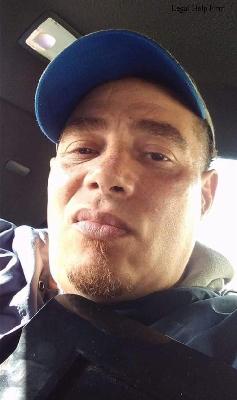
William Bailey, a 41-year-old African American male, was found dead on May 5, 2014, in Chicago, IL. His death was the result of a fatal gunshot wound, which authorities quickly determined to be a homicide. The incident occurred in the early hours of the morning in the South Side neighborhood, an area known for its high crime rates. Bailey was discovered in his vehicle, which had been parked on a residential street.
The initial investigation revealed that he had been shot multiple times, suggesting a targeted attack rather than a random act of violence.
The Chicago Police Department launched an extensive investigation into Bailey's murder. Detectives canvassed the neighborhood, interviewed potential witnesses, and reviewed surveillance footage from nearby businesses and residences. Despite these efforts, the case quickly grew cold due to a lack of substantial leads and the reluctance of witnesses to come forward, a common issue in areas plagued by gang violence and distrust of law enforcement.
In the months following Bailey's death, several suspects were identified, but none were formally charged. The investigation revealed that Bailey had been involved in a dispute with local gang members, which may have been a motive for his murder. However, without concrete evidence, the police were unable to make any arrests. The case remained open, with detectives periodically revisiting it in hopes of uncovering new information.
Bailey's family, devastated by his untimely death, sought justice through the legal system. They filed a wrongful death lawsuit against the city of Chicago, alleging that the police department's failure to adequately address gang violence in the neighborhood contributed to Bailey's murder. The lawsuit brought attention to the broader issue of systemic violence in Chicago's underserved communities and the need for comprehensive reform in policing practices.
Despite the family's efforts, the lawsuit faced numerous challenges and was ultimately dismissed. The lack of progress in the criminal investigation and the dismissal of the civil case left Bailey's loved ones feeling frustrated and disillusioned with the justice system. His murder remains unsolved, a stark reminder of the ongoing struggles faced by many families in Chicago's most vulnerable neighborhoods.