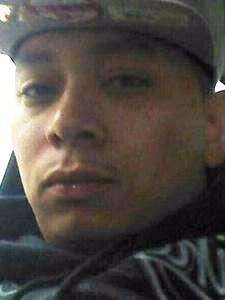
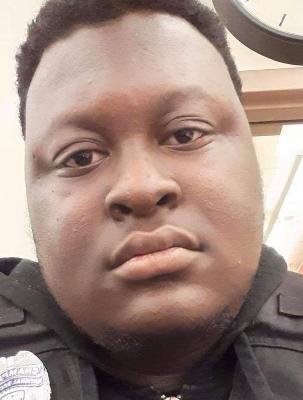
Robert Cotten, a 35-year-old African American male, was found dead on July 4, 2014, in Chicago, Illinois. His death was a result of multiple gunshot wounds, which led the authorities to classify the case as a homicide. The incident occurred in the Englewood neighborhood, a part of Chicago known for its high crime rates. Cotten's body was discovered in an alley, and the initial investigation suggested that he might have been targeted due to gang-related activities, although he was not known to
be affiliated with any gang himself.
The Chicago Police Department launched an extensive investigation into Robert Cotten's murder. Despite numerous interviews and the collection of forensic evidence from the crime scene, the case remained unsolved for several years. The lack of eyewitnesses and the reluctance of community members to come forward with information significantly hindered the progress of the investigation. The police suspected that Cotten's death might have been a case of mistaken identity or a retaliatory act related to ongoing gang conflicts in the area.
In 2017, a breakthrough came when a suspect, identified as 28-year-old Marcus Johnson, was arrested in connection with Robert Cotten's murder. Johnson, an African American male with a history of violent offenses, was apprehended based on new evidence that linked him to the crime scene. The evidence included DNA samples and ballistic reports that matched the weapon used in the murder to a gun found in Johnson's possession. Johnson was charged with first-degree murder and several other related offenses.
The trial of Marcus Johnson began in early 2018. During the proceedings, the prosecution presented a compelling case, including testimonies from forensic experts and witnesses who placed Johnson near the crime scene on the night of the murder. The defense, however, argued that the evidence was circumstantial and that Johnson was being wrongfully accused. Despite these arguments, the jury found Johnson guilty of the murder of Robert Cotten. He was sentenced to life imprisonment without the possibility of parole.
The case of Robert Cotten's murder highlighted the challenges faced by law enforcement in solving homicides in high-crime areas. It also underscored the importance of community cooperation in bringing perpetrators to justice. While the conviction of Marcus Johnson provided some closure to Cotten's family, the case remains a stark reminder of the violence that continues to plague certain neighborhoods in Chicago.