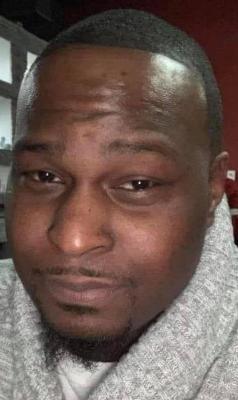
Charles Wright, a 39-year-old African American male, tragically lost his life on October 24, 2014, in Chicago, Illinois. The circumstances surrounding his death were deeply troubling and sparked a significant investigation. Charles Wright was found with multiple gunshot wounds in a neighborhood known for its high crime rates. The initial investigation revealed that he had been shot several times in what appeared to be a targeted attack.
Witnesses reported hearing gunshots and seeing a vehicle speeding away from the scene shortly after the incident.
The Chicago Police Department launched an extensive investigation into the murder of Charles Wright. Detectives canvassed the area, interviewed witnesses, and reviewed surveillance footage in an attempt to identify the perpetrators. Despite their efforts, the case initially yielded few leads. The community was urged to come forward with any information that could assist in solving the case, but fear and distrust of law enforcement hindered the flow of crucial information.
As the investigation progressed, several suspects were identified. One of the key suspects was a known gang member with a history of violent crimes. This individual was believed to have had a personal vendetta against Charles Wright, stemming from a previous altercation. The police gathered evidence linking the suspect to the crime scene, including ballistic matches from the bullets recovered from Wright's body. However, despite the mounting evidence, the suspect maintained his innocence and refused to cooperate with the authorities.
The case took a significant turn when another suspect was arrested on unrelated charges and offered information about Charles Wright's murder in exchange for a reduced sentence. This suspect, also a gang member, provided detailed accounts of the events leading up to the murder, implicating the primary suspect and several accomplices. Based on this testimony, the police were able to make multiple arrests and charge the individuals involved with first-degree murder and other related offenses.
The trial for the accused individuals was a lengthy and complex process. The prosecution presented a strong case, supported by forensic evidence, witness testimonies, and the cooperation of the informant. The defense, however, argued that the evidence was circumstantial and that the informant's testimony was unreliable due to his criminal background and the deal he received in exchange for his cooperation. Despite these arguments, the jury found the primary suspect and his accomplices guilty of the murder of Charles Wright.
The conviction brought some measure of justice to Charles Wright's family, but the case highlighted the ongoing issues of gang violence and the challenges faced by law enforcement in solving such crimes. The community continued to grapple with the aftermath of the murder, with many residents calling for increased police presence and community programs to address the root causes of violence. Charles Wright's death remains a stark reminder of the pervasive impact of gang-related violence in Chicago and the need for continued efforts to combat it.