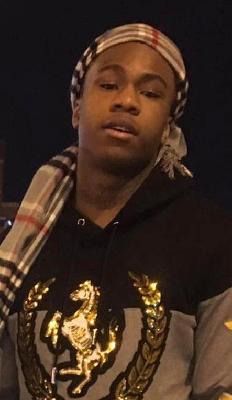
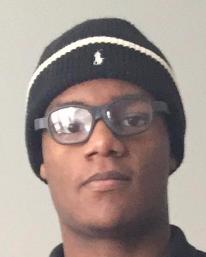
Chad D. Schenk, a 41-year-old Black man, was found shot to death inside his apartment in Chicago’s Little Italy neighborhood on December 17, 2025. At approximately 2:40 that afternoon, officers entered the residence in the 700 block of South Carpenter Street after one of Schenk’s longtime friends requested a well-being check. The friend had become concerned after being unable to reach him for several days.
Police found the apartment door open and discovered Schenk unresponsive inside, suffering from multiple gunshot wounds to his face, neck and body. He was pronounced dead at the scene.
Schenk was known as a street pastor who dedicated much of his time to helping people experiencing homelessness. Prosecutors later said he frequently rode Chicago Transit Authority trains at night, speaking with unhoused passengers and attempting to connect them with shelter or provide them with a safe place to sleep. Investigators believe that this willingness to help a stranger brought him into contact with the person ultimately accused of killing him.
According to allegations presented by prosecutors, Schenk encountered 25-year-old Michael Wilson aboard an inbound Blue Line train during the early morning hours of December 14. The two men did not previously know each other. Schenk reportedly offered Wilson a place to stay for the night, and Wilson accepted. CTA surveillance footage allegedly showed them leaving the UIC-Halsted station together at approximately 12:50 a.m. Additional cameras recorded them walking toward Schenk’s apartment. Wilson could reportedly be seen carrying a distinctive backpack decorated with a “zombie bear” design.
Once they reached the apartment, prosecutors said Schenk gave Wilson drinks, allowed him to shower and prepared makeshift sleeping pallets from blankets on the floor. Wilson later allegedly told investigators that he awoke during the night and became uncomfortable with Schenk’s behavior. He claimed that after waking again, he found their legs intertwined and panicked when Schenk stood up. Prosecutors alleged that Wilson then retrieved a firearm he had concealed beneath a blanket and fired eight times, striking Schenk repeatedly in the face and neck. Wilson allegedly left the apartment afterward, while Schenk remained undiscovered until the well-being check several days later.
Area Three homicide detectives began reconstructing Schenk’s final movements through digital evidence. Location information from his cellphone directed investigators to the Blue Line, where they reviewed CTA and police surveillance recordings. The footage showed Schenk leaving the station with another person. Images of that individual were reportedly processed through an Illinois Secretary of State facial-recognition system, which investigators said returned a possible match to Wilson. Chicago police later stated that transit officers also recognized Wilson from previous interactions.
The investigation gained another important lead shortly before the end of the year. Police said Wilson was recorded on CTA surveillance video brandishing a weapon on a train platform on December 30. The following day, officers encountered him at the Jackson Red Line station and arrested him on an unrelated outstanding parole warrant. During a search, authorities reportedly recovered a handgun, suspected narcotics, 14 rounds of ammunition and a drum magazine. Wilson was allegedly carrying the same distinctive backpack and wearing clothing resembling what had been captured on video when he accompanied Schenk home.
Investigators submitted the recovered firearm to the Illinois State Police for forensic examination. Police later announced that testing connected the weapon to cartridge casings collected inside Schenk’s apartment. Wilson remained jailed in connection with the December 31 weapons arrest while detectives continued compiling evidence in the homicide investigation.
On April 20, 2026, approximately four months after Schenk’s death, Wilson was formally taken into custody in connection with the killing and charged with one felony count of first-degree murder. The Chicago Police Department credited Area Three homicide detectives and officers assigned to its Public Transportation Section with identifying the accused and connecting the recovered gun to the crime. A judge subsequently granted prosecutors’ request to keep Wilson detained while the murder case proceeded.
The charge against Wilson represents an accusation rather than a conviction, and the publicly available reports do not indicate that a trial or final disposition has occurred. No additional suspects have been publicly identified, and authorities have not announced charges against anyone else. The case against Wilson remained pending, with prosecutors relying on surveillance footage, cellphone information, facial-recognition results, his alleged statements and ballistic evidence linking the recovered firearm to the scene.