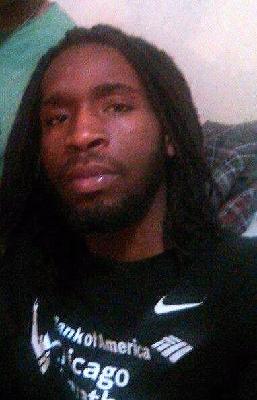
Trevon Williams, a 20-year-old African American male, tragically lost his life on December 23, 2014, in Chicago, IL. The circumstances surrounding his death were deeply troubling and sparked a significant investigation. Trevon was found with multiple gunshot wounds in the South Side neighborhood of Chicago, an area known for its high crime rates. The incident occurred late at night, and despite the efforts of emergency responders, Trevon succumbed to his injuries at the scene.
The
investigation into Trevon's death revealed that he was the victim of a targeted shooting. Witnesses reported hearing multiple gunshots and seeing a vehicle speeding away from the scene. The Chicago Police Department launched an extensive investigation, interviewing witnesses and reviewing surveillance footage from nearby businesses and residences. Despite these efforts, the case initially yielded few leads, and no immediate arrests were made.
As the investigation progressed, detectives identified several persons of interest. Among them was a local gang member who had a known history of violent behavior and was believed to have had a conflict with Trevon. This individual, along with several associates, was brought in for questioning. However, due to a lack of concrete evidence, no charges were filed at that time.
In the years following Trevon's death, his family continued to seek justice, advocating for more resources to be dedicated to solving the case. Their persistence paid off when, in 2017, new evidence came to light. A witness, who had previously been too afraid to come forward, provided crucial information that linked the primary suspect to the crime. This breakthrough led to the arrest of the suspect, who was charged with first-degree murder.
The trial for Trevon's murder was a lengthy and emotional process. The prosecution presented a compelling case, supported by the new witness testimony and forensic evidence that tied the suspect to the crime scene. The defense, however, argued that the evidence was circumstantial and that there was no direct proof of the suspect's involvement. Despite these arguments, the jury found the suspect guilty, and he was sentenced to life in prison without the possibility of parole.
Trevon Williams' death was a tragic reminder of the violence that plagues many communities in Chicago. His family, while relieved that justice was finally served, continues to mourn his loss and advocate for measures to prevent similar tragedies in the future. The case also highlighted the importance of community cooperation in solving crimes and the need for ongoing support for victims' families.