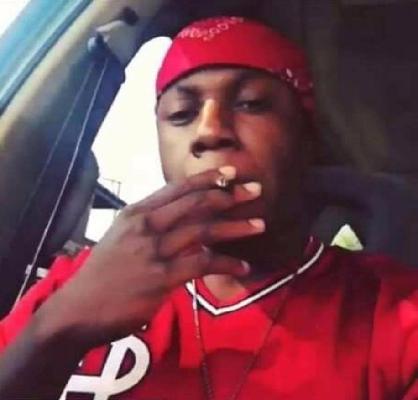
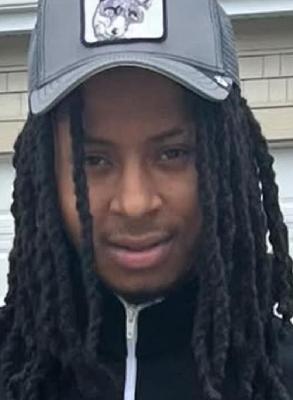
Alvin Vincent Randolph, a 19-year-old African American male, tragically lost his life to gun violence on May 13, 2015, in Chicago, Illinois. The incident occurred in a city plagued by frequent gun-related crimes, adding to the alarming statistics of young lives cut short by such violence. Alvin's death was a significant loss to his community, highlighting the ongoing issues of safety and crime in urban areas.
The investigation into Alvin's murder revealed that he was shot multiple times
in a drive-by shooting. The circumstances surrounding the incident suggested that it might have been gang-related, a common issue in certain Chicago neighborhoods. Despite the efforts of law enforcement, the case faced numerous challenges, including a lack of witnesses willing to come forward, which often hampers investigations in such environments.
In the aftermath of Alvin's death, the Chicago Police Department launched an extensive investigation to identify and apprehend the perpetrators. Several suspects were questioned, but no arrests were made immediately following the incident. The community's reluctance to cooperate with the police due to fear of retaliation further complicated the investigation.
Over time, the case saw some developments. Law enforcement agencies continued to pursue leads, and there were occasional breakthroughs that kept the hope of justice alive for Alvin's family. However, the case remained unsolved for a significant period, reflecting the broader challenges faced by the police in solving gun-related homicides in Chicago.
Alvin's death also sparked discussions about the need for better community-police relations and more effective strategies to combat gang violence. His family, along with community activists, called for increased efforts to address the root causes of such violence, including poverty, lack of education, and limited economic opportunities.
The legal proceedings related to Alvin's case were marked by delays and difficulties in gathering sufficient evidence to prosecute the suspects. Despite these hurdles, the case remained open, with law enforcement agencies committed to finding those responsible for Alvin's untimely death. The ongoing investigation underscored the complexities involved in solving violent crimes in urban settings and the need for comprehensive approaches to ensure justice for victims like Alvin Vincent Randolph.