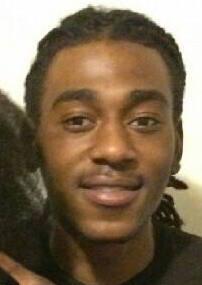
Donte Blackwell, a 23-year-old African American male from Niles, was tragically killed in a shooting on August 31, 2015, in Evanston, Illinois. The incident occurred around 1:20 a.m. in the 1800 block of Dodge Avenue. According to police reports, Blackwell was shot once in the torso and was transported to Evanston Hospital, where he was pronounced dead. Another victim, a 21-year-old man from Evanston, was also injured in the shooting, sustaining gunshot wounds to his arm and leg.
He was treated for non-life-threatening injuries at the same hospital.
Witnesses reported that two males approached the victims on bicycles, opened fire, and then fled northbound on Dodge Avenue. The Evanston Police Department, along with the North Regional Major Crimes Task Force, launched an investigation into the shooting. Despite the efforts of law enforcement, no arrests were immediately made, and the suspects remained at large. The police urged anyone with information to come forward, emphasizing the importance of community cooperation in solving the case.
Further investigation revealed that Donte Blackwell had survived a previous shooting in 2012, which was believed to be part of an ongoing feud between rival groups with gang affiliations. This earlier incident left Blackwell critically injured, and his name had surfaced during investigations into other local shootings. The 2015 shooting that claimed Blackwell's life was suspected to be connected to this long-standing dispute, although police continued to investigate the exact motives and links between the incidents.
Blackwell's death had a profound impact on his family and the community. His mother, Dorothy Adams, described him as a caring and humorous individual who had recently returned to church in an effort to distance himself from the violence. Blackwell left behind two young children, Lamontae, aged five, and Donte Jr., who was just a month old at the time of his father's death. The community's response to the tragedy highlighted the ongoing struggle with violence and the need for greater cooperation with law enforcement to prevent further loss of life.