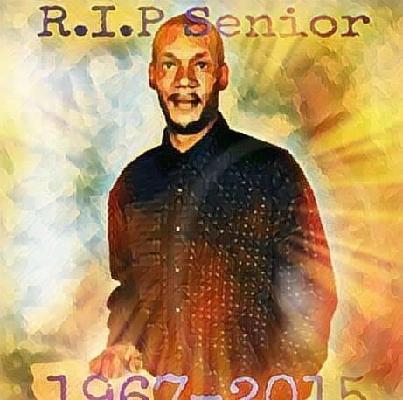
Carlous A. Wires, a 48-year-old African American male, passed away on November 24, 2015, in Quincy, Illinois. He was born on September 23, 1967, in Quincy and was known for his multi-talented nature, having worked at Hesse Flooring and Carpet, as well as the YMCA as a referee. Carlous was deeply involved in his community, attending the Cathedral of Worship where he served as an usher and participated in men's Bible study. He was also a DJ for various events and enjoyed hobbies such as smoking turkeys, barbecuing, and playing basketball.
The circumstances surrounding Carlous A. Wires' death were tragic. On the night of November 24, 2015, he was fatally shot in his home at 706 N. 4th Street in Quincy. The Quincy Police Department responded to a report of shots fired and found Carlous deceased at the scene. The investigation revealed that he had been shot twice in the head.
The primary suspect in the case was Steven Gavin, who faced four counts of first-degree murder and one count of armed robbery in connection with the shooting. The trial for Steven Gavin began in January 2020, with testimony from various witnesses, including Carlous' widow, Vivian Wires. The trial was marked by significant developments, including a mistrial in February 2019 due to the jury being unable to reach a verdict.
During the trial, the prosecution presented evidence and witness testimonies to establish Gavin's involvement in the murder. The defense, led by attorney Curtis Lovelace, argued against the charges, but the case was complex and emotionally charged. The trial proceedings were closely followed by the local community, highlighting the impact of Carlous' death on his family and friends.
The legal battle continued as the prosecution sought justice for Carlous A. Wires, while the defense aimed to challenge the evidence presented. The case remains a significant event in Quincy, reflecting the broader issues of violence and justice within the community.