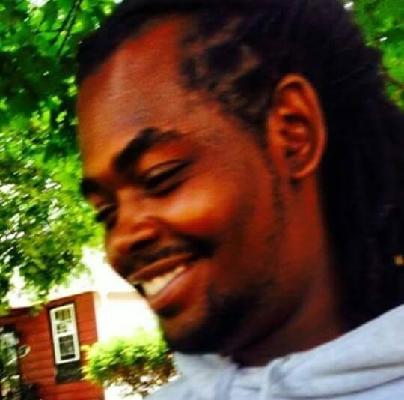
Reggie Bonner, a 37-year-old African American male, tragically lost his life on February 11, 2016, in Chicago, IL. His death was a result of a violent incident that shocked the local community. Reggie Bonner was found with multiple gunshot wounds, leading to his untimely demise. The circumstances surrounding his death were immediately classified as a homicide, prompting a thorough investigation by the Chicago Police Department.
In the aftermath of Reggie Bonner's death, law enforcement
officials launched an extensive investigation to identify and apprehend the perpetrators responsible for this heinous crime. The investigation revealed that Reggie Bonner had been targeted in what appeared to be a premeditated attack. Witnesses reported hearing gunshots and seeing a vehicle speeding away from the scene, which provided crucial leads for the detectives working on the case.
As the investigation progressed, several suspects were identified and questioned by the authorities. Among them was a known associate of Reggie Bonner, who had a history of criminal activity. This individual was taken into custody and charged with first-degree murder after forensic evidence linked him to the crime scene. The trial that followed was closely watched by the community, as it sought justice for Reggie Bonner and his grieving family.
Throughout the legal proceedings, the prosecution presented compelling evidence, including eyewitness testimonies and forensic analysis, to build a strong case against the accused. The defense, however, attempted to cast doubt on the credibility of the witnesses and the integrity of the forensic evidence. Despite these efforts, the jury ultimately found the defendant guilty of first-degree murder, resulting in a lengthy prison sentence.
Reggie Bonner's death not only highlighted the pervasive issue of gun violence in Chicago but also underscored the importance of community cooperation in solving such crimes. His family, friends, and community members continue to honor his memory, advocating for stronger measures to prevent similar tragedies in the future. The case remains a poignant reminder of the devastating impact of violence and the enduring quest for justice.