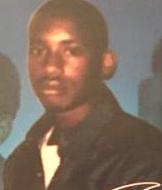
Julius Coleman, an 18-year-old African American male, was fatally shot on August 9, 2016, in the Englewood neighborhood of Chicago, Illinois. The incident occurred in an area known for its high crime rates and gang activity. Julius was found with multiple gunshot wounds, and despite efforts to save him, he succumbed to his injuries at the scene. His death added to the growing list of young lives lost to gun violence in Chicago, highlighting the ongoing issues of safety and crime in the city.
The investigation into Julius Coleman's murder revealed that he was not the intended target. Instead, he was caught in the crossfire of a gang-related shooting. Witnesses reported seeing a group of individuals fleeing the scene immediately after the shots were fired. The Chicago Police Department launched an extensive investigation, interviewing witnesses and reviewing surveillance footage from nearby cameras. Despite these efforts, the case remained unsolved for several months, with no arrests made initially.
In the months following Julius's death, community members and activists held vigils and marches, calling for justice and an end to the violence plaguing their neighborhoods. The pressure from the community eventually led to a breakthrough in the case. In early 2017, police arrested two suspects in connection with the shooting. Both suspects were young males with known affiliations to local gangs. They were charged with first-degree murder and several other related offenses.
The trial for Julius Coleman's murder began in late 2017. During the proceedings, prosecutors presented evidence linking the suspects to the crime, including eyewitness testimonies and forensic evidence. The defense argued that the suspects were not present at the scene and that the evidence was circumstantial. However, the jury found the defendants guilty of all charges. They were sentenced to lengthy prison terms, providing some measure of justice for Julius's family and the community.
Julius Coleman's death is a tragic reminder of the senseless violence that continues to affect many urban areas. His story underscores the importance of community involvement and the need for comprehensive strategies to address the root causes of violence. While justice was served in his case, the broader issues of gang violence and gun control remain pressing concerns for Chicago and other cities across the United States.