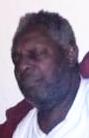
Jamarh Carter, a 22-year-old African American male, tragically lost his life on August 29, 2016, in Chicago, Illinois. The circumstances surrounding his death were violent, as he was fatally shot in an incident that shocked the local community. The shooting occurred in the Englewood neighborhood, a part of Chicago known for its high crime rates. Jamarh Carter was found with multiple gunshot wounds, and despite efforts to save him, he succumbed to his injuries at the scene.
Following the
incident, the Chicago Police Department launched an investigation to identify the perpetrators and understand the motive behind the shooting. Initial reports suggested that the shooting might have been gang-related, a common issue in the area. However, the investigation faced numerous challenges, including a lack of cooperation from potential witnesses, which is often a significant hurdle in solving such cases in high-crime neighborhoods.
As the investigation progressed, several suspects were identified, but concrete evidence linking them to the crime was hard to come by. The police conducted multiple interviews and gathered surveillance footage from nearby cameras, but the case remained unsolved for a considerable period. The community's fear of retaliation further complicated the investigation, as many residents were reluctant to come forward with information that could potentially lead to arrests.
In the months following Jamarh Carter's death, his family and friends held vigils and marches, calling for justice and urging anyone with information to assist the police. These efforts brought some attention to the case, but it wasn't until a year later that a breakthrough occurred. In August 2017, an arrest was made in connection with the murder. The suspect, a 24-year-old male with a history of gang involvement, was charged with first-degree murder. The arrest brought a sense of relief to Jamarh Carter's family, but the legal proceedings were just beginning.
The trial for the accused began in early 2018, with the prosecution presenting evidence that included witness testimonies, forensic analysis, and surveillance footage. The defense, however, argued that the evidence was circumstantial and that there was no direct link between their client and the crime. The trial was a lengthy process, with numerous delays and motions filed by both sides. Ultimately, in late 2018, the jury found the defendant guilty of first-degree murder, and he was sentenced to life in prison without the possibility of parole.
Jamarh Carter's death highlighted the ongoing issues of gun violence and gang activity in Chicago, particularly in neighborhoods like Englewood. His family continues to advocate for stronger community support and better resources to prevent such tragedies from occurring in the future. The case also underscored the importance of community cooperation with law enforcement to solve crimes and bring justice to victims and their families.