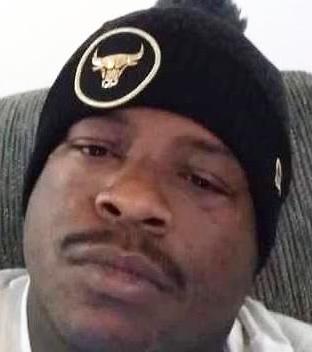
Rafael Arevalo, a 26-year-old male from Danville, Illinois, tragically lost his life on September 4, 2017. The circumstances surrounding his death were violent and deeply unsettling. Rafael Arevalo, along with Omar Roman, another 26-year-old male from Danville, was found dead inside a home in Danville. The incident was a result of a planned meeting that turned fatal. Nicholas Trimble, a 42-year-old man from Champaign, Illinois, had arranged to meet Rafael Arevalo to purchase cannabis.
However, during the meeting, Trimble and an accomplice attempted to forcibly take the cannabis. In the ensuing confrontation, Trimble shot Rafael Arevalo six times, resulting in his immediate death.
The case quickly drew the attention of law enforcement, leading to an extensive investigation. Nicholas Trimble was arrested and charged with multiple counts of first-degree murder. The legal proceedings were rigorous, and Trimble was found guilty of six counts of first-degree murder for the deaths of Rafael Arevalo and Omar Roman. The court proceedings revealed that Trimble and his accomplice had opened fire on Omar Roman as well, shooting him a total of 15 times.
The trial culminated in a life sentence for Nicholas Trimble. Vermilion County Circuit Court Judge Derek Girton handed down the sentence, ensuring that Trimble would spend the rest of his life in prison without the possibility of parole. The case was prosecuted by Attorney General Kwame Raoul's office, which worked in conjunction with local law enforcement to secure the conviction. The successful prosecution was seen as a testament to the collaborative efforts of the Attorney General's office and the Danville Police Department in addressing violent crime in the community.
The deaths of Rafael Arevalo and Omar Roman were a stark reminder of the dangers associated with illegal drug transactions and the potential for violence that can arise from such activities. The community of Danville was left to mourn the loss of two young men whose lives were cut short by senseless violence. The case also highlighted the importance of law enforcement and judicial systems working together to bring perpetrators to justice and provide some measure of closure to the victims' families.