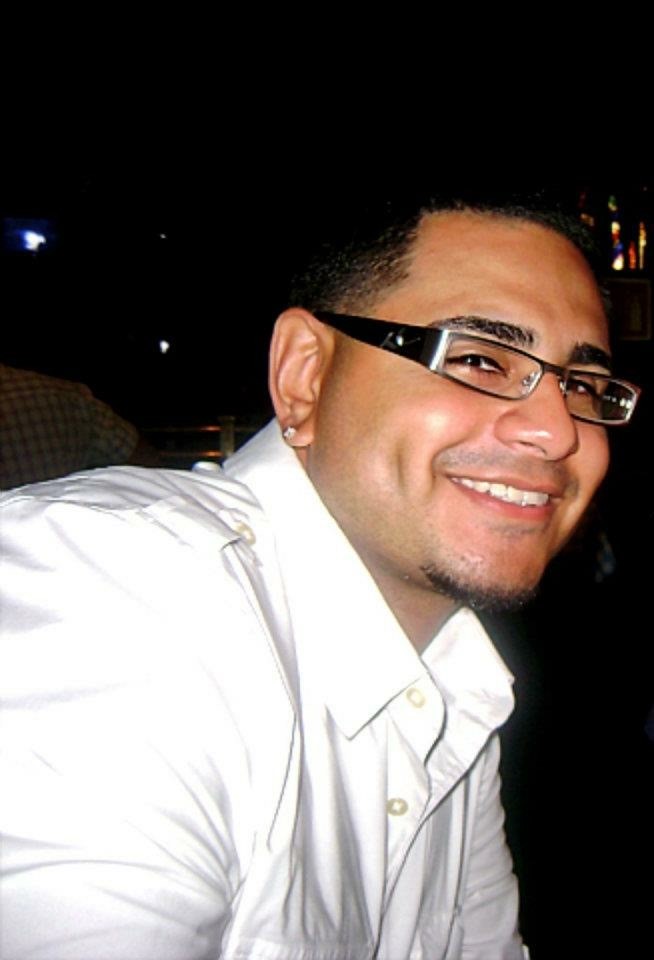
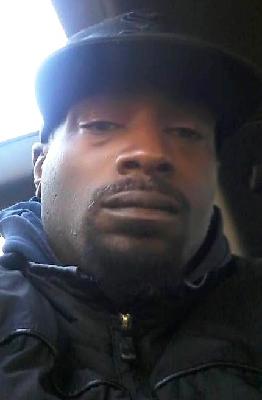
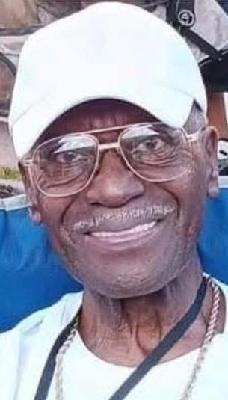
Corey Warner, a 45-year-old African American male, was found dead on December 22, 2017, in Chicago, IL. His death was the result of a violent assault, which led to a homicide investigation by the Chicago Police Department. Warner's body was discovered in his apartment, bound with duct tape and showing signs of severe trauma. The Cook County Medical Examiner's Office confirmed that he died from multiple injuries sustained during the assault.
The investigation into Corey Warner's death
revealed a complex web of potential suspects and motives. Initial reports indicated that Warner had been involved in several disputes with local gang members, which may have contributed to his untimely demise. Detectives interviewed numerous individuals connected to Warner, including friends, family members, and known associates, to piece together the events leading up to his death.
Despite extensive efforts by law enforcement, no arrests were made immediately following the discovery of Warner's body. The case remained open for several months as detectives continued to gather evidence and follow leads. In the meantime, Warner's family sought justice through the legal system, filing a wrongful death lawsuit against several individuals they believed were responsible for his murder.
As the investigation progressed, new information emerged that pointed to a possible connection between Warner's death and a larger criminal enterprise operating in the Chicago area. This led to increased scrutiny from federal authorities, who joined the investigation in an effort to dismantle the organization and bring those responsible to justice. The combined efforts of local and federal law enforcement eventually resulted in the arrest of several key suspects, who were charged with Warner's murder and other related crimes.
The trial for Corey Warner's murder was a lengthy and complex process, with prosecutors presenting a wealth of evidence to support their case. Witnesses testified about the events leading up to Warner's death, and forensic experts provided detailed analyses of the crime scene and the injuries sustained by the victim. Ultimately, the jury found the defendants guilty, and they were sentenced to lengthy prison terms for their roles in Warner's murder.
Corey Warner's tragic death highlighted the ongoing issues of violence and crime in Chicago, as well as the challenges faced by law enforcement in solving such cases. His family continues to advocate for justice and support efforts to reduce violence in their community, hoping that no other family will have to endure the pain and loss they have experienced.