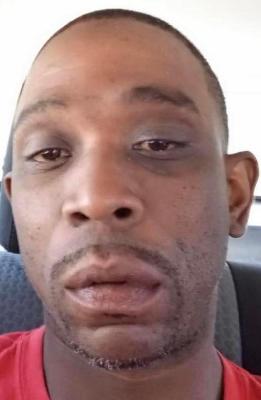
Carl Washington, a 57-year-old African American male, tragically lost his life on July 29, 2018, in Chicago, IL. The circumstances surrounding his death were deeply troubling, as he was found with multiple gunshot wounds in his home on the South Side of Chicago. The incident occurred in the Washington Park neighborhood, a location known for its high crime rates.
Carl Washington's death was ruled a homicide, sparking a significant investigation by the Chicago Police Department.
In the aftermath of Carl Washington's death, the investigation revealed that he had been targeted in what appeared to be a premeditated attack. Despite extensive efforts by law enforcement, no arrests were made immediately following the incident. The lack of witnesses and the reluctance of community members to come forward with information posed significant challenges to the investigation. Over time, however, detectives were able to piece together a timeline of events leading up to the murder, identifying several persons of interest.
The case took a significant turn when a suspect, a 34-year-old male with a history of violent offenses, was apprehended in connection with the murder. The suspect, whose identity was not disclosed to the public, was charged with first-degree murder. The prosecution presented a strong case, citing forensic evidence and witness testimonies that linked the suspect to the crime scene. The trial garnered considerable media attention, highlighting the broader issues of gun violence and community safety in Chicago.
Throughout the legal proceedings, Carl Washington's family, including his wife and two children, attended court sessions, seeking justice for their loved one. The trial concluded with the suspect being found guilty and sentenced to life imprisonment without the possibility of parole. This verdict brought a sense of closure to Carl Washington's family, though the emotional scars of their loss remained.
The murder of Carl Washington, a 57-year-old African American male, underscored the pervasive issue of gun violence in Chicago. His death not only affected his immediate family but also resonated with the broader community, prompting calls for increased efforts to combat crime and improve public safety. The case remains a poignant reminder of the ongoing challenges faced by urban communities in addressing violence and ensuring justice for victims.