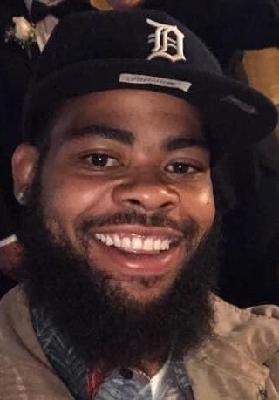
Carl A. Jones, a 19-year-old African American male, tragically lost his life on December 2, 2016, in Chicago, Illinois. The circumstances surrounding his death were deeply troubling and indicative of the broader issues of violence in the city. Carl was found with multiple gunshot wounds, and his death was ruled a homicide. The incident occurred in a neighborhood known for its high crime rates, adding to the city's alarming statistics on youth violence.
The investigation into Carl's death
revealed several key details. Witnesses reported hearing gunshots and seeing a vehicle speeding away from the scene. Despite these leads, the case initially saw little progress. The Chicago Police Department faced significant challenges in gathering reliable information, as fear of retaliation often silenced potential witnesses. This lack of cooperation hindered the early stages of the investigation.
As the investigation continued, law enforcement officials identified a suspect, a young male with a history of gang involvement. The suspect was eventually apprehended and charged with first-degree murder. The arrest brought a sense of relief to Carl's family, who had been tirelessly advocating for justice. The legal proceedings that followed were closely watched by the community, highlighting the pervasive issue of gang violence in Chicago.
Throughout the trial, the prosecution presented compelling evidence linking the suspect to the crime. This included forensic evidence, eyewitness testimonies, and surveillance footage. The defense, however, argued that the evidence was circumstantial and that there was no direct proof of the suspect's involvement. Despite these arguments, the jury found the suspect guilty, and he was sentenced to a lengthy prison term.
Carl's death and the subsequent legal battle underscored the urgent need for comprehensive measures to address violence in Chicago. His family, while finding some solace in the conviction, continued to mourn the loss of a young life cut short. They became vocal advocates for community programs aimed at preventing youth violence, hoping to spare other families from similar heartbreak.