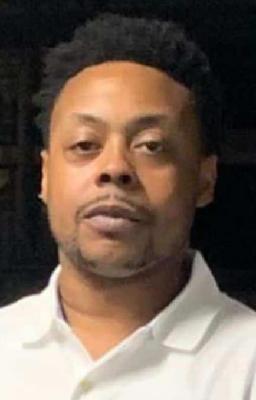
Lincoln Scott, a 30-year-old African American male, was tragically killed on June 22, 2020, in Chicago, Illinois. The incident occurred in an alley in the East Garfield Park neighborhood, where Lincoln Scott was fatally shot. The circumstances surrounding his death were initially unclear, prompting a thorough investigation by local authorities.
Following the incident, the Chicago Police Department launched an extensive investigation to identify the perpetrator and uncover the motive
behind the shooting. Witnesses reported hearing gunshots and seeing a suspect fleeing the scene, but initial leads were scarce. The investigation faced several challenges, including a lack of immediate eyewitnesses willing to come forward with information.
As the investigation progressed, detectives were able to gather crucial evidence from the crime scene, including ballistic data and surveillance footage from nearby cameras. This evidence helped to piece together the events leading up to Lincoln Scott's death. The footage revealed a suspect approaching Scott in the alley before the fatal shots were fired. The suspect, described as a male of unknown ethnicity, was seen fleeing the scene on foot.
In the months following the murder, the police identified a suspect, who was later arrested and charged with first-degree murder. The suspect, whose identity has not been disclosed, was found to have a prior criminal record, which included charges related to violent offenses. The arrest brought some relief to Scott's family and the community, who had been seeking justice for his untimely death.
The case against the suspect proceeded to trial, where prosecutors presented the evidence collected during the investigation. The trial included testimonies from forensic experts, law enforcement officers, and witnesses who had come forward after the initial investigation. The defense argued that there was insufficient evidence to conclusively link the suspect to the crime, but the prosecution maintained that the evidence was compelling.
Ultimately, the jury found the suspect guilty of first-degree murder, and he was sentenced to a lengthy prison term. The conviction provided a sense of closure for Lincoln Scott's family, although the pain of losing a loved one remained. The case highlighted the ongoing issues of gun violence and the challenges faced by law enforcement in solving such crimes in urban areas.
Lincoln Scott's death was a stark reminder of the violence that continues to plague many communities. His family and friends remembered him as a kind and hardworking individual who had dreams and aspirations that were cut short by this senseless act of violence. The community rallied together in the aftermath, calling for increased efforts to address the root causes of violence and to create safer environments for all residents.