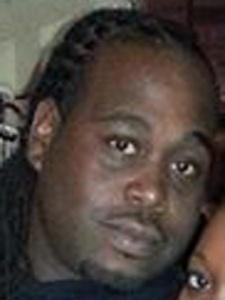
On June 26, 2016, Ellis Selton, aged 30, was fatally shot in the South Side of Chicago. The incident occurred in the Washington Park neighborhood, a community that has been dealing with persistent issues of violence and crime. Selton was shot multiple times and succumbed to his injuries on the scene despite emergency response efforts.
This homicide was part of a year that saw an alarming rise in violence in Chicago.
In 2016, the city experienced a surge in homicides, surpassing 760 murders, the highest in two decades. The increase in violence was attributed to a combination of factors, including gang conflicts, economic instability, and reduced policing strategies that had been employed in previous years. Washington Park, where Selton’s murder took place, was particularly affected by this wave of violence, along with several other neighborhoods that struggled with poverty and systemic neglect.
The tragic death of Ellis Selton highlights the broader crisis of gun violence in Chicago during 2016, a year marked by extensive loss and fear across multiple communities. The ongoing battle against violent crime in Chicago, particularly in economically disadvantaged neighborhoods like Washington Park, underscores the importance of effective community policing and support systems to bring stability and safety to these affected areas.