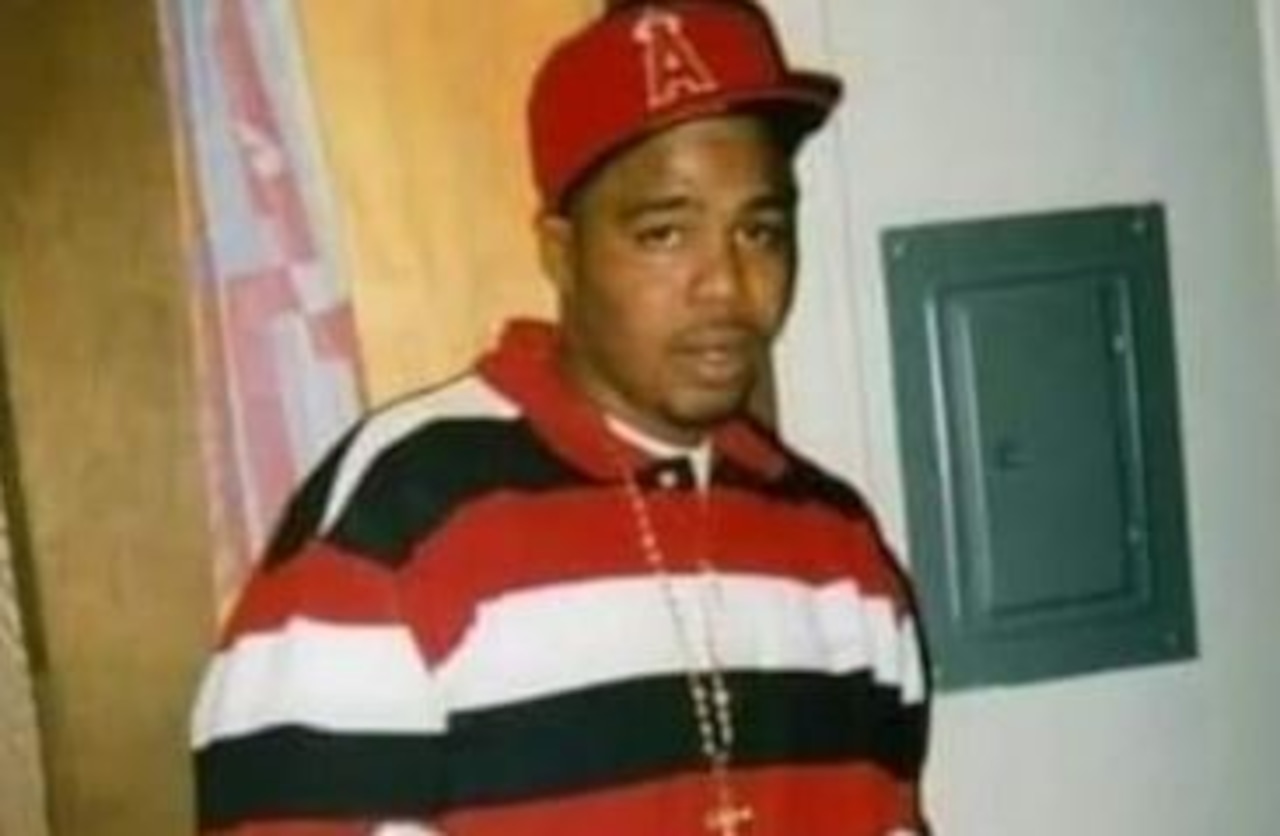
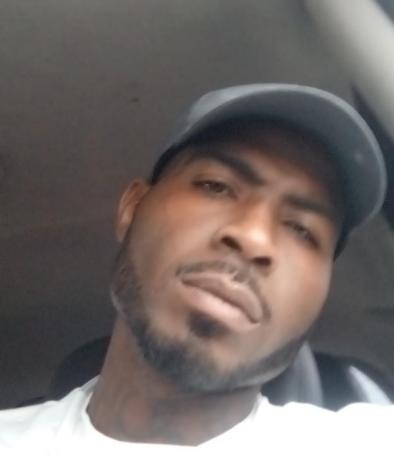
In the summer of 2015, the city of Birmingham, Alabama, was experiencing a significant rise in violence. On the first day of July, this wave of crime tragically touched the life of Christopher Charles Cooley. A 41-year-old Black or African American man, Cooley was fatally shot in the College Hills neighborhood, a community that was unaccustomed to such violent acts.
His death marked one of the 100 homicides that would plague the city by the end of the year, a stark increase from the 62 recorded in the previous year.
The incident sent ripples of shock and concern through the College Hills community. Residents were alarmed by the shooting, noting that such violence was a rare occurrence in their area. The death of Christopher Cooley not only highlighted the broader issue of escalating gun violence in Birmingham but also brought the stark reality of this trend to the doorstep of a neighborhood that had felt insulated from it. In the aftermath, community members and local organizations sought to honor his memory and bring attention to the urgent need for solutions to the city's rising homicide rate.
Despite the initial shock and the focus on the city's increasing violence, details regarding the investigation into Christopher Cooley's death have been scarce. Information regarding any potential suspects or arrests in the case has not been made publicly available. The circumstances surrounding the shooting and what led to the untimely death of the U.S. Navy veteran remain unclear.
Years have passed since that tragic day in July, and the case of Christopher Cooley's murder appears to have grown cold. There have been no subsequent announcements of arrests or the identification of any suspects. His death is a somber statistic in a violent year for Birmingham and a painful, unresolved tragedy for his family and community. The lack of closure in his case underscores the challenges faced by law enforcement in solving a significant number of homicides that occur each year.