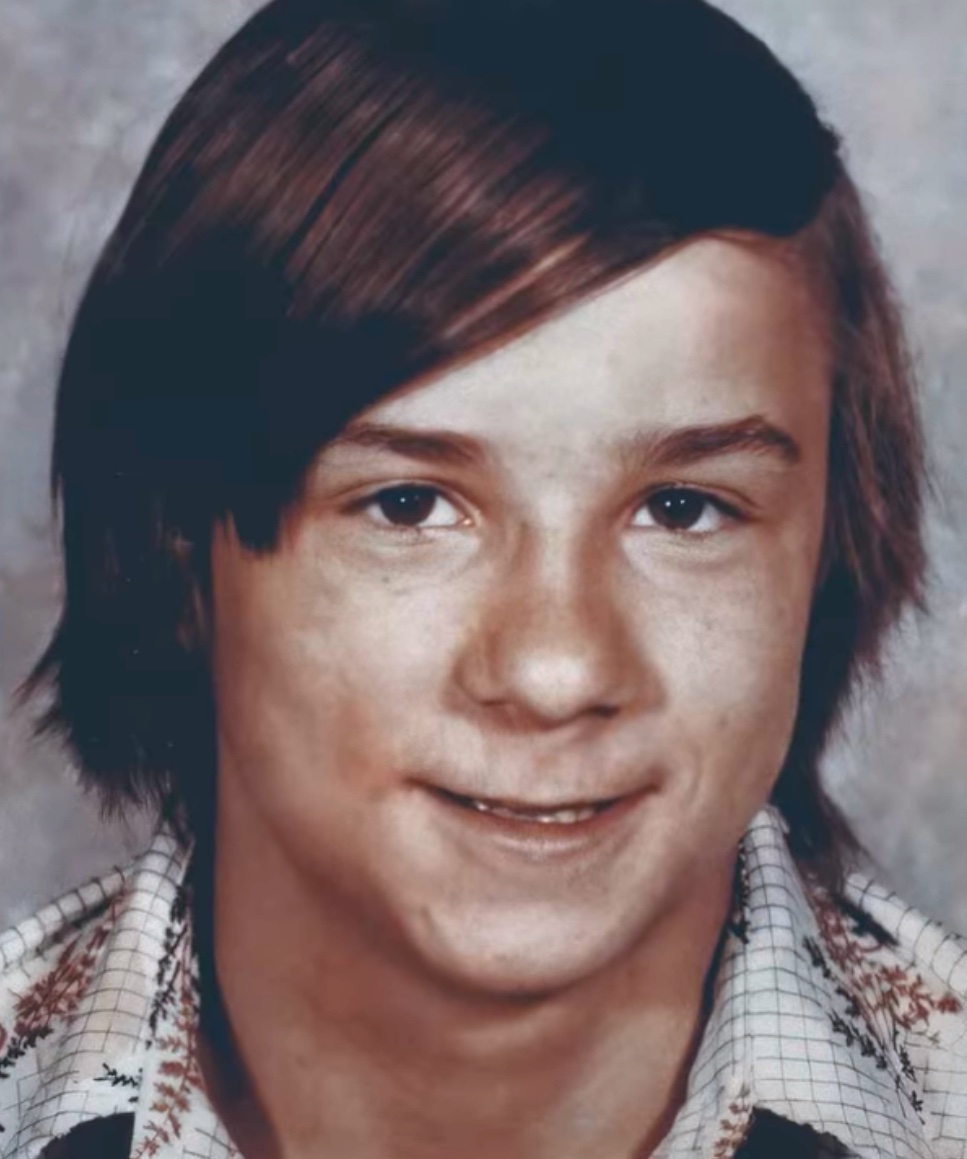
Jerry McGhee, a 64-year-old African American man, died on June 19, 2021, in Chicago, Illinois, after being shot in the head during a domestic altercation in the Roseland neighborhood. The incident occurred in the 10500 block of South Perry Avenue. On that day, McGhee and a 58-year-old man were involved in a dispute when an unknown assailant opened fire, hitting McGhee in the head and the other man in the shoulder.
The other man was taken to the hospital and stabilized, while McGhee succumbed to his injuries months later, on October 18, 2021. The Cook County medical examiner's office ruled McGhee's death a homicide due to complications from the gunshot wound.
The investigation into Jerry McGhee's death revealed that the shooting was part of a broader pattern of violence in the area. Despite the efforts of the Chicago Police Department, no arrests have been made in connection with McGhee's murder. The case remains open, with detectives continuing to seek information and leads that could help identify the shooter. The lack of witnesses and the reluctance of community members to come forward have hindered the progress of the investigation.
In the aftermath of McGhee's death, his family and friends have called for justice and increased efforts to address the violence plaguing their community. They have participated in vigils and community meetings, urging local authorities to prioritize the case and bring the perpetrator to justice. The tragic loss of Jerry McGhee has highlighted the ongoing challenges faced by residents of Chicago's South Side, where gun violence continues to claim lives and disrupt families.
The legal proceedings related to McGhee's death have been limited due to the absence of a suspect. However, the case has drawn attention to the broader issues of gun violence and the need for comprehensive strategies to improve public safety in Chicago. Community leaders and activists have used McGhee's story to advocate for policy changes and increased resources for violence prevention programs. The hope is that by addressing the root causes of violence, future tragedies like the one that claimed Jerry McGhee's life can be prevented.