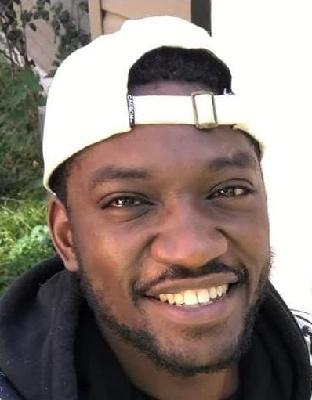
In the early afternoon of a Wednesday in February, the sharp retort of gunfire echoed through a West Baltimore alley. When the sudden violence ceased, Tracy Darnell Kinchen, a 34-year-old African American man, lay mortally wounded. It was February 11, 2009, in an alley situated behind the 1700 block of East 32nd Street, a place that would become the final scene of Kinchen's life.
He had been in the company of another man when an unknown individual approached them and opened fire.
The hail of bullets struck both men. Kinchen was hit multiple times and collapsed in the alley, his life slipping away before help could arrive. By the time police responded to the scene, he was already gone. The other man, whose identity was not publicly released, was also wounded in the attack. Despite his injuries, he managed to escape the alley and find refuge inside a nearby house, ultimately surviving the harrowing encounter that claimed his companion's life.
The killing of Tracy Darnell Kinchen was logged as another homicide in a city grappling with persistent violence. The motive for the shooting and the identity of the person or persons responsible remained elusive in the immediate aftermath. As investigators began their work, combing the alley for evidence and seeking out witnesses, the community was left to mourn another life cut short by gunfire.
Despite the presence of a surviving witness, public online sources provide no further information on the investigation into Tracy Darnell Kinchen's murder. There are no details available regarding any suspects who may have been identified or any arrests that might have been made in the years following the shooting. The case, as it is reflected in accessible records, fades from public view without a resolution, leaving the story of that violent February afternoon without a final chapter. The narrative of who shot Tracy Darnell Kinchen and why remains untold in the public domain.