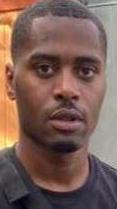
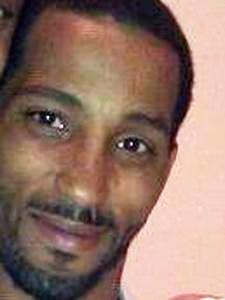
Antonio Rankin, a 22-year-old Black male, was tragically shot and killed on January 1, 2022, in the Englewood neighborhood of Chicago, IL. The incident occurred around 5:25 a.m. in the 6000 block of South Bishop Street. Rankin was found with a gunshot wound to his back in an alley and was subsequently transported to Saint Bernard Hospital, where he was pronounced dead.
The circumstances surrounding Antonio Rankin's death were part of a larger, chaotic scene.
A house party on Bishop Street had devolved into a violent confrontation. According to prosecutors, a large fight broke out at the party, leading several men to leave the house. As they walked about half a block away, two men began shooting towards the home. Antwyone Green, who was on the porch, allegedly returned fire with a gun that appeared to generate automatic gunfire. This gun battle resulted in Rankin being fatally shot.
In the aftermath of the shooting, several individuals were implicated. Antwyone Green, 29, was charged with unlawful use of a weapon by a felon. Green had a history of felony convictions, including unlawful use of a weapon in 2017 and possession of a stolen motor vehicle in 2015. Another individual, Tayvon Powe, 22, was also involved in the incident. Powe was charged with aggravated discharge of a firearm and unlawful use of a weapon by a felon. Prosecutors indicated that under previous laws, Powe would have faced first-degree murder charges for his involvement in the shootout that led to Rankin's death. However, changes to the state's felony murder statute meant that Powe was not charged with murder.
The case highlighted the complexities of the legal system and the impact of recent criminal justice reforms. The SAFE-T Act, which reformed various aspects of Illinois' criminal justice system, played a significant role in the charges brought against those involved in the shootout. The changes to the felony murder rule more narrowly defined who could be charged with first-degree murder, requiring direct responsibility for the death. This legal nuance meant that while Powe's actions contributed to the chaotic scene that led to Rankin's death, he was not held directly responsible for the fatal outcome under the revised law.
The tragic death of Antonio Rankin underscores the ongoing issues of gun violence and the challenges faced by the legal system in addressing such incidents. Despite the arrests and charges brought against those involved, the case remains a poignant reminder of the need for continued efforts to curb violence and ensure justice for victims and their families.