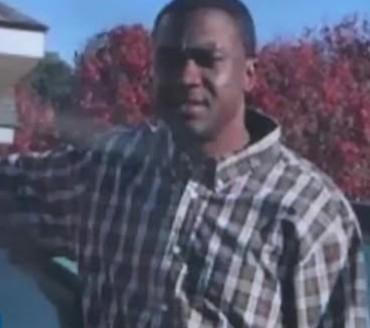
William Bagget, a 35-year-old male and the town marshal of Claxton, Georgia, was killed on January 12, 1910, in what began as a routine attempt to stop a reckless speeder and ended in a burst of gunfire at a street corner that the town would remember for generations. Contemporary-style memorial accounts agree on the broad outline: Bagget, the town’s only law officer, moved to arrest a man he had stopped near Railroad Street and South Newton Street, and when he reached for him, the man turned
and shot him four times. Later retellings preserve the scene with small but telling differences, with some saying the suspect was tearing through Claxton in an automobile and others describing a drunken young man racing a horse and buggy through downtown, a clash of details that still leaves the central fact unchanged: Bagget stepped in to enforce order, and he was gunned down in the street for it.
What followed was not the quick reckoning a small town might have hoped for. The shooter fled the state, and for roughly a year the killing lingered without immediate justice. According to law-enforcement memorial records, the suspect was 20 years old when he voluntarily surrendered on January 17, 1911, to the Tattnall County sheriff in Savannah. He was charged with murder, but even then the case took on the shape of a struggle between status and accountability: the suspect was described as coming from a prominent and wealthy family, he was released on a $25,000 bond, and he claimed he had acted in self-defense. That surrender established that there was, in fact, an arrest and a formal murder charge, but it did not close the case.
The surviving online record grows thinner when it comes to the suspect’s name, but one local historical account identifies him as William Bradley and says Bagget had cited him multiple times before for speeding, suggesting the fatal encounter may have been the boiling point in an already tense relationship between the marshal and a repeat offender. Because the more formal memorial sources recount the surrender, bond, and acquittal without naming him, that identification should be treated more cautiously than the rest of the case history. Even so, the picture that emerges is of a young, well-connected man who was not a stranger to Bagget’s authority, and whose final confrontation with the marshal turned deadly in seconds.
The case ultimately ended not with a conviction, but with an acquittal. Bagget’s killer went to trial represented by four attorneys, and on April 12, 1912, he was acquitted. No conviction followed, and the official remembrance of the case now simply records the offender’s status as acquitted. More than a century later, Claxton and Georgia law-enforcement groups still remembered Bagget not as a footnote, but as the city’s only officer killed in the line of duty, a man whose death came in the ordinary exercise of his badge and whose story lingered long after the courtroom had let his accused killer walk free.