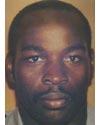
Derwin Brown, a 46-year-old Black man, was a captain with the DeKalb County Police Department and the sheriff-elect, poised to bring reform to an office troubled by corruption. His life was cut short on the evening of December 15, 2000, just three days before he was to be sworn into office. As he returned to his Decatur, Georgia, home from a celebratory dinner, he was brutally ambushed in his own driveway and shot at least a dozen times.
The brazen assassination sent shockwaves through the community and launched a massive investigation to uncover the conspiracy behind the murder of the popular and respected lawman.
The investigation soon zeroed in on the man Brown had defeated in a contentious runoff election: the incumbent sheriff, Sidney Dorsey. Prosecutors contended that Dorsey, facing the end of his term and the looming threat of investigations into his corrupt practices, orchestrated the murder of his successor. The motive was clear: to prevent Brown from exposing the graft and corruption that had flourished under Dorsey's watch. To carry out the hit, Dorsey enlisted several individuals, including former sheriff's deputy Melvin Walker and David Ramsey, who worked for Dorsey's private security company. Walker was allegedly promised a promotion, and Ramsey a job, in exchange for their roles in the assassination.
The path to justice was complex and fraught with legal battles. In a state trial in March 2002, Melvin Walker, the alleged triggerman, and David Ramsey, the backup shooter and getaway driver, were acquitted of murder charges. This verdict was a significant setback for the prosecution, which had relied heavily on the testimony of two other co-conspirators, Patrick Cuffy and Paul Skyers, who had been granted immunity in exchange for their cooperation. Despite this initial acquittal, the investigation continued, and the federal government stepped in, bringing new charges against Walker and Ramsey. In August 2005, a federal jury convicted both men of conspiracy to commit murder-for-hire, and they were subsequently sentenced to life in prison.
Sidney Dorsey, the mastermind behind the assassination, was convicted in a separate state trial in July 2002 of murder, racketeering, and other charges related to corruption during his time as sheriff. He was sentenced to life in prison for ordering Brown's murder, with additional consecutive sentences for the other convictions. Years later, in 2007, Dorsey confessed to investigators that he had indeed ordered the killing, though he claimed he had attempted to call it off. The murder of Derwin Brown remains a stark reminder of the brutal lengths to which some will go to maintain power and conceal their crimes, and the unwavering determination of law enforcement to bring them to justice.