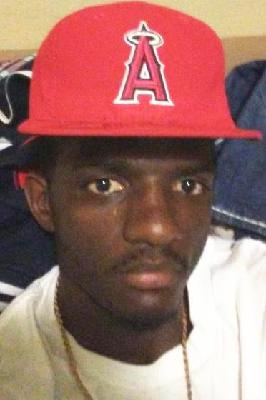
Richard Dejion Livingston III, aged 20, was killed on January 16, 2015, in East Oakland, California, in what has been described as a double homicide. Livingston, known to his family as "Rickey," was shot and killed alongside his girlfriend, Alexis Randolph, who was 19 at the time. The young couple had only recently begun dating when they were tragically killed in the 500 block of 105th Avenue just after noon. Both victims were pronounced dead at the scene, and no suspects were apprehended immediately following the incident. The crime took place amidst heightened violence in Oakland that day, with multiple shootings reported across the city. Nearby schools, including Stonehurst Elementary and James Madison Middle School, were temporarily locked down as police searched the area for suspects, but no arrests were made, and the motive for the shooting was not disclosed by law enforcement at the time.
For Richard Livingston's family, the tragedy was compounded by their interactions with the authorities. Richard Livingston Jr., Rickey's father, learned of his son’s death from family members rather than directly from the police, and he faced difficulties in accessing information regarding the investigation. He visited the county morgue but was not allowed entry and eventually received official confirmation of his son's death only after going to the police station. The initial contact with investigators faded after several months, leaving the family in the dark about any progress made in the case. Over a year later, Livingston discovered that his son's case had been officially classified as a cold case, again without direct notification from the police.
The loss of Rickey profoundly affected his family. His father described it as a continuous, numbing pain that was akin to "crawling on broken glass." The Livingston family’s experience, unfortunately, reflects broader systemic issues within the Oakland police’s handling of homicide investigations, especially those involving Black victims. A report by Berkeley Law’s International Human Rights Law Clinic highlighted that only around 40% of homicides involving Black victims in Oakland lead to arrests, in contrast to 80% for cases involving white victims. This disparity, along with the often neglectful or disrespectful treatment of families, has contributed to a sense of injustice and frustration among Oakland's communities affected by violence.
Rickey was not only a beloved son but also a father to a young boy, who was only one-and-a-half years old at the time of his death. The emotional and financial burden of his loss has had a lasting impact on the family, as they struggled to cope without adequate support from law enforcement or victim services. Despite having personal knowledge and resources as a social worker, Richard Livingston Jr. was still overwhelmed by the lack of support, emphasizing how much harder it must be for those without such resources.