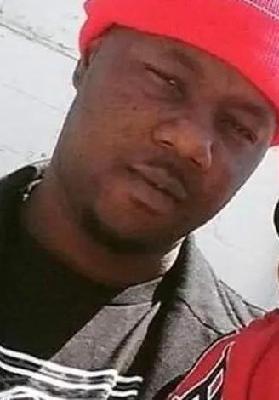
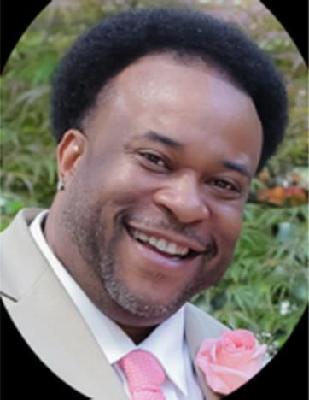
Shinnara Gee, 36, was a Black male from Atlanta whose life ended on October 9, 2014, after a shooting in northwest Atlanta. Police were called around 10 a.m. to the 500 block of James P. Brawley Drive, where officers found him with a gunshot wound. He was taken to Grady Memorial Hospital, but he did not survive. In the immediate aftermath, investigators said a suspect had been detained nearby, giving the case the feel of a violent confrontation that had exploded in broad daylight and then
collapsed almost as quickly as it began.
What emerged later in court was a fuller, harsher picture of the encounter. According to the Georgia Court of Appeals’ summary of the trial evidence, Gee and Nyron Thomas got into an altercation that day. At some point during the argument, Thomas’s gun discharged, striking Gee. The medical examiner testified that Gee was shot once, with the bullet entering his arm, ricocheting into his torso, and causing fatal internal injuries when it lodged in his abdominal cavity. The evidence described at trial also said Thomas then chased Gee around a corner and fired again, though that second shot did not hit him. Thomas later testified in his own defense and said he did not intend to shoot Gee, raising self-defense, accident, and justification as defenses.
Police moved quickly after the shooting. On the day Gee was killed, Atlanta police identified Nyron James Thomas, then 31, as the man arrested in the case. He was charged with murder after officers detained him in the area and booked him into the Fulton County jail. Early reporting said authorities did not release a motive at that stage, even though the arrest came almost immediately. That left the public with the bare outline of a fatal shooting and an accused gunman already in custody while the deeper circumstances were still being sorted out.
The prosecution that followed did not end with a straightforward murder conviction. Thomas was indicted on murder, two felony murder counts, aggravated assault with a deadly weapon, possession of a firearm during the commission of a felony, and possession of a firearm by a convicted felon. When the case went to a jury, he was found not guilty of murder, not guilty of felony murder, and not guilty of the lesser included offense of voluntary manslaughter. But the jury did convict him of aggravated assault with a deadly weapon, possession of a firearm during the commission of a felony, and possession of a firearm by a convicted felon.
The case continued through years of post-trial litigation, but the convictions ultimately stood. A Georgia appellate decision in 2019 recounted that Thomas had been charged in connection with Gee’s shooting death and that the jury had returned guilty verdicts on the assault and firearm counts. A later 2021 Court of Appeals decision said Thomas’s convictions and sentence were affirmed after he challenged aspects of the trial, including whether he had been present for certain bench conferences. The sentence described by the court was twenty years to serve for aggravated assault, five years to serve consecutively for the firearm-during-the-commission-of-a-felony count, and five more years on the felon-in-possession count, consecutive but suspended. So while Gee’s killing did not end in a murder conviction, the man arrested in the case was prosecuted, convicted on serious felony charges tied directly to the shooting, and remained responsible in the eyes of the court for the armed assault that took Gee’s life.