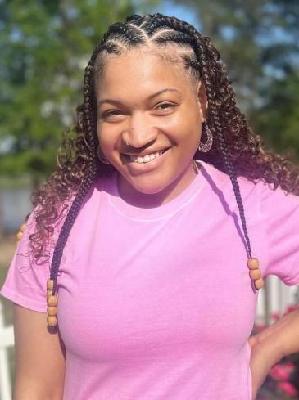
Fabiola Zavaleta Ramirez was a 29-year-old Hispanic woman whose life ended in a burst of violence on the night of February 7, 2015, in Mableton, Georgia. After finishing her shift at the grocery store where she worked, she clocked out and lingered in the parking lot, talking with a co-worker about ordinary things, the kind of small after-work conversation that usually disappears into the night without consequence. Instead, in that open lot along Veterans Memorial Parkway, a car approached and the calm broke apart. Two armed men got out, a robbery unfolded in seconds, and she was shot. She was rushed to WellStar Kennestone Hospital, but she did not survive. Local reporting from the time placed the shooting at about 9:20 p.m. in the parking area of the shopping center, and later court records described the same final moments with painful clarity: she had already left work, was standing outside near her co-worker, and was no longer inside the store when the gunmen came at her.
In the immediate aftermath, investigators said the killing happened during an armed robbery and began searching for three people connected to the attack. Witnesses described two gunmen, each roughly between 5-foot-5 and 5-foot-7, one wearing a dark blue hoodie and carrying a small silver handgun, the other wearing a red hoodie and also armed. Police also said they were looking for a possible getaway driver in a four-door sedan, with one early report suggesting it may have been a Honda Accord. The public descriptions were broad, uncertain, and frustratingly incomplete, the kind that show how close witnesses were to terror and how far detectives still were from names.
What followed publicly was not a string of announced arrests, indictments, or courtroom convictions in the homicide itself, but a quieter legal trail centered on the place where she was killed. Years later, appellate records and reporting on the family’s civil case revisited the details of that night, explaining that her mother and the administrator of her estate pursued claims against the store and individuals tied to its operation. Those decisions did not identify the killers or announce that the case had been solved; instead, they focused on whether her death fell under workers’ compensation law or whether the family could continue a tort action against the business side of the case. The legal fight kept her story in the record, but it did not publicly deliver the kind of ending people expect in a murder case.
Based on the public sources located here, police identified suspects by description soon after the shooting, but no named suspect, arrest, charge, trial, or conviction in connection with her killing was documented in the reporting and court materials we found. That leaves the case with a haunting shape: a woman steps out after work, pauses for a final conversation in a parking lot open to the public, and is gone before the night is over, while the men described in hoodies and the driver of the sedan fade into the dark edges of the story without a public resolution in the records reviewed.