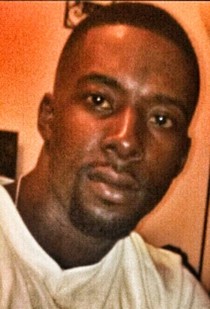
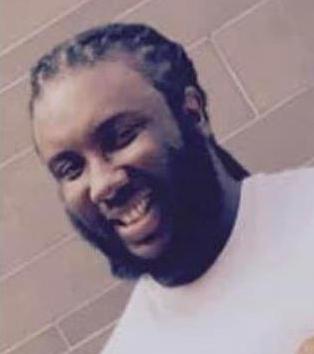
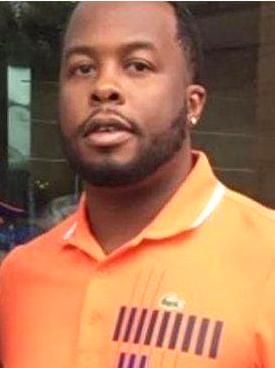
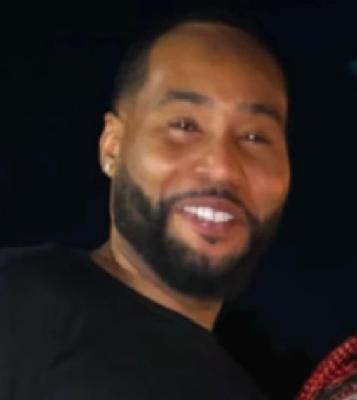
Ke’Juan Hatcher, a 25-year-old Black man, died after being shot on September 26, 2015, in Atlanta, Georgia. In the scattered public record that remains online, his death appears almost in fragments: a police-confirmed fatal shooting, an obituary placing his passing that same Saturday at Wellstar Cobb Hospital in Austell, and memorial notices that show how quickly a life can be reduced to dates and formal arrangements after violence cuts it short.
He was also remembered as Ke’Juan “Lou” Hatcher, a Pontiac native whose death sent his family and community from shock into mourning in just a matter of days.
What survives publicly gives the outline of a tragedy more than a full explanation of it. Reports tied to his death indicate that Atlanta police treated the case as a homicide after the shooting. Beyond that, the details are thin. There is no broad, detailed public narrative online laying out exactly where the shooting unfolded, who was with him in the final moments, or what argument, encounter, or chain of events led to the gunfire. That absence gives the case a haunting quality. Ke’Juan is visible in the record as a son, as “Lou,” as a young man whose funeral was set for early October, but the public explanation of how he was taken from the people who knew him is strikingly limited.
One of the few personal details that does emerge is that he was described in coverage as an aspiring rapper. That small piece of identity makes the story feel even more unfinished. It suggests ambition, movement, the kind of future that had not yet settled into shape. Instead, what followed was the familiar rhythm of violent loss: hospital confirmation, obituary notices, funeral plans, burial arrangements, and loved ones left to gather around what remained. The online memorial record reflects that grief more clearly than it does the investigation.
As for suspects, arrests, or charges, the publicly available online sources are notably sparse. In the material available online, there does not appear to be a clearly documented public announcement identifying a suspect in Ke’Juan Hatcher’s killing, nor is there widely accessible reporting showing an arrest, prosecution, trial, or conviction tied to his death. The case, at least in the public-facing record that remains easy to find online, seems to fade after the initial reporting and memorial notices. That leaves his story suspended in a painful place: a young man shot to death in Atlanta, remembered by name and by those who loved him, but with no widely reported public resolution visible in the sources.